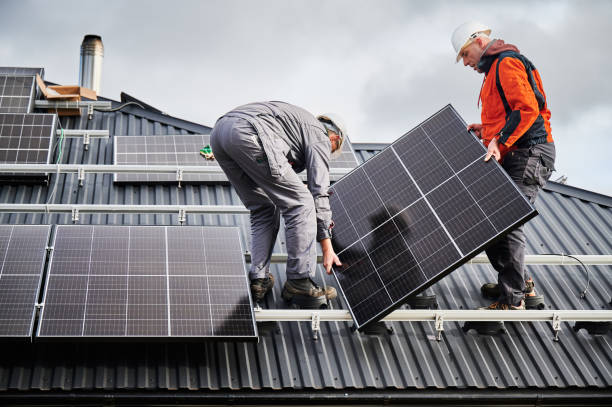
When considering solar panels for your home, one of the most crucial factors to evaluate is the current condition of your roof. Solar panels are a long-term investment, typically lasting 25 years or more. Installing them on a roof nearing the end of its lifespan can lead to additional expenses and complications in the future. Below are key considerations homeowners should keep in mind when deciding whether to replace their roof before adding solar panels.
Assessing Your Roof’s Condition
Before installing solar panels, it’s essential to have your roof thoroughly inspected by a professional roofer.
- Age of the Roof: Asphalt shingle roofs generally last 20–25 years, while metal and tile roofs can last longer. If your roof is nearing its expected lifespan, replacement might be necessary.
- Structural Integrity: A sturdy and damage-free roof ensures it can support the weight of solar panels without risk of collapse or further deterioration.
- Leaks or Damage: Look for signs of water leaks, sagging areas, missing shingles, or other visible damage that could compromise the installation process.
- Roof Material Compatibility: Not all roofing materials work well with solar panel mounting systems.
- Asphalt shingles and metal roofs are highly compatible.
- Clay tile roofs may require additional customization for installation.
Factors to Consider Before Replacing Your Roof
If an inspection reveals issues that would make rooftop solar installation problematic, replacing your roof beforehand may be a wise decision.
- Replacing a portion or all of your roof after installing solar panels involves additional labor costs because panels must be temporarily removed and reinstalled.
- Tackling both projects together eliminates duplication of effort and reduces overall expenses over time.
- Maximizing Solar Panel Efficiency
A new roof provides a stable foundation for your solar system and ensures better performance without risks posed by structural weaknesses. - Enhanced Home Value
Combining solar panel installation with a new roof improves curb appeal and increases property value—making it more attractive to potential buyers if you sell in the future.
Timing Matters – When Should You Replace Your Roof?
If your existing roof has less than ten years of life expectancy remaining, it’s generally advisable to replace it before investing in solar panels. However, if the structure is relatively new (under five years old), an inspection may suffice to confirm its readiness for installation without requiring replacement.
| Life Expectancy | Recommended Action |
| Less than 10 years | Replace before installing solar system |
| 10–20 years | Inspect thoroughly; repairs may suffice |
| Over 20 years | Likely no replacement needed |
Collaborating with Professionals
- Work with both certified roofing contractors and licensed solar technicians who understand how these installations interact.
- Seek companies offering warranties on both roofing materials and panel systems when completed simultaneously.
Taking these steps proactively ensures that your investment in renewable energy aligns perfectly with the structural needs of your home—paving the way for sustainable savings over decades ahead without unnecessary disruptions along the way.
Why Hiring a Minneapolis Roofer Matters Before Installing Solar Panels
If you’re considering installing solar panels on your home, it’s essential to evaluate the condition of your roof first. Replacing your roof before adding solar panels can save you time, money, and effort in the long run. Below, we’ll explore the primary benefits of taking this proactive approach and why it’s a smart choice for homeowners.
How to Save on Minneapolis MN Roof Repair When Removing and Reinstalling Solar Panels
Installing solar panels on an older or deteriorating roof may seem like a short-term solution, but if you need to replace the roof later, you’ll need to remove and reinstall your solar panels. This process is both time-consuming and expensive.
– Labor costs associated with removing panels
– Potential damage to solar equipment during removal or reinstallation
– Additional expenses for storage or temporary electrical solutions
This upfront investment ensures your new roof can support the solar system for its entire lifespan—typically 20–25 years—without interruption.
Enhanced Structural Integrity with Minneapolis MN Roof Installation
Solar panel systems add weight to your roof. Older roofs may not have the structural integrity required to support this additional load safely.
– Whether reinforcements are needed to handle extra weight
– The condition of key components like decking, flashing, and underlayment
This guarantees that both the new roof and installed solar panels remain stable over time.
| Roof Condition | Action Required Before Solar Installation |
| New or Excellent Roof | Proceed with solar installation |
| Minor Wear | Consider minor repairs before installation |
| Aging or Damaged Roof | Full replacement recommended prior to installing panels |
1. Extend Your Roof’s Lifespan Alongside Your Solar Panels
Modern roofing materials like asphalt shingles or metal roofs often come with warranties ranging from 20–50 years—similar to the lifespan of most solar systems.
– You align their lifespans more effectively
– Reduce future disruptions from mismatched maintenance cycles
This synchronization minimizes unexpected repair needs just as your solar system becomes fully operational.
2. Increase Energy Efficiency
A new roof offers opportunities to improve energy efficiency even before adding a renewable energy system:
– Install proper insulation layers during replacement
– Utilize reflective roofing materials (e. g.
Combined with a solar panel system, these steps maximize energy savings by reducing overall household energy consumption.
3. Boost Home Value and Market Appeal
A home with a new roof plus an efficient solar energy system is highly attractive in today’s real estate market:
– Newer roofs reassure buyers about long-term durability
– Solar installations appeal to eco-conscious buyers seeking reduced utility costs
These upgrades increase property value while potentially qualifying homeowners for tax credits and incentives tied to renewable energy systems.
Replacing your roof before installing solar panels is more than just a practical decision—it’s an investment in peace of mind, cost savings, and long-term sustainability.
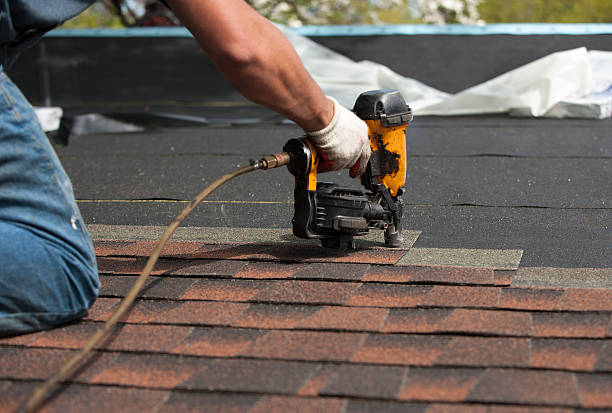
Understanding the Costs of Hiring a Minneapolis MN Roofing Contractor for Solar Panel Removal and Roof Replacement
When it comes to roof replacement, the costs associated with removing and reinstalling solar panels are an important consideration for homeowners. If your roof requires maintenance or replacement after investing in a solar energy system, you’ll need to account for these additional expenses. This guide will help you understand the factors that influence these costs, so you can better prepare for potential expenses.
Factors Impacting Costs
- Number of Panels
The more panels on your roof, the more labor-intensive the removal and reinstallation process will be. Larger systems typically result in higher costs. - Traditional rooftop-mounted solar panels are relatively straightforward to remove and reinstall compared to specialized designs like solar shingles or ground-mounted systems.
- Systems with battery storage or complex wiring may involve additional labor.
- Contractor or Installer Rates
Labor rates vary depending on your location and the contractor you hire. Some roofing companies partner with certified solar technicians, while others require you to coordinate with your original solar installer. - Roof Design Complexity
Roofs with unique shapes, steep slopes, or multiple levels may increase installation complexity, leading to higher costs. - Inspection Fees
After reinstallation, local building codes may require inspections to ensure safety and compliance standards are met. These inspections could incur extra fees.
Average Cost Breakdown
| Service | Average Cost (USD) |
| Panel Removal | $100 – $300 per panel |
| Roof Replacement (Labor) | Varies by material type |
| Panel Reinstallation | $100 – $300 per panel |
| Permit/Inspection Fees | $150 – $500 |
Keep in mind that prices can fluctuate based on region, labor availability, and specific project requirements.
How to Minimize Expenses
- Coordinate Maintenance Work: Try scheduling roof repairs before installing a new system if possible.
- Check Warranties: Review warranties offered by both your roofing contractor and original solar installer; some warranties may cover part of this process.
- Choose Experienced Professionals: Hiring professionals who specialize in both roofing and solar systems ensures efficiency and minimizes risks during removal/reinstallation.
- Consider Insurance Coverage: Check whether your homeowner’s insurance policy includes coverage for damage associated with roofing work involving renewable energy installations.
Key Takeaways
Understanding the costs involved in removing and reinstalling solar panels as part of a roof replacement ensures better financial planning when addressing home maintenance needs. By considering factors like system size, contractor rates, and inspection requirements early on, you can avoid unexpected expenses while protecting both your investment in renewable energy systems and the structural integrity of your home’s roof.
How to Find a Minneapolis MN Roofing Contractor After Going Solar
Replacing your roof after installing solar panels can seem like a daunting task, but with proper planning and professional assistance, the process can be managed efficiently. Here are essential steps and considerations to guide you through this situation.
Assessing Roof Condition
Before proceeding, it’s important to evaluate whether a full roof replacement is necessary or if repairs will suffice.
- Age of the roof:Most roofs last between 20-30 years depending on the material.
- Leaks or water damage:Persistent leaks can compromise structural integrity.
- Sagging areas:A sagging roof could point to underlying structural issues.
Have a roofing professional inspect your roof thoroughly to determine if replacement is unavoidable.
Coordinating with Your Solar Installer
Once you’ve decided on replacing the roof, coordination with your solar panel provider or installer is a critical step. Many solar companies offer removal and reinstallation (also called “R&R”) services for panels during a roofing project.
- Scheduling: The solar company must align their schedule with the roofing contractor’s timeline.
- Responsibility: Confirm who will handle dismantling the system—some roofs require specialized technicians for safe removal of panels and related equipment like inverters and wiring.
- Warranty Impact: Check if removing or moving panels affects any warranties for either your roofing materials or solar system components.
Removal and Reinstallation Costs
Budgeting is an important part of this process as removing and reinstalling solar panels adds an additional expense to the overall project cost. Average costs for R&R range from $1,500-$6,000 depending on factors like system size and complexity.
| Service/Item | Estimated Cost Range |
| Panel removal | $200 – $500 per panel |
| Temporary storage | $100 – $300 |
| Reinstallation | $200 – $400 per panel |
| Electrical inspection post-reinstall | $150 – $500 |
Obtaining quotes from multiple contractors will help ensure you get fair pricing.
Upgrading Your Roof Material for Longevity
When replacing your roof after going solar, consider opting for a material that enhances durability and extends its lifespan so future replacements are minimized while solar panels remain functional for decades (typically 25+ years).
- Metal Roofing: Known for longevity (upwards of 50 years) and energy efficiency.
- Asphalt Shingles: Affordable but may wear out sooner compared to other materials.
- Clay Tiles: Offers durability with an elegant aesthetic but may require additional structural support.
Longer-lasting materials reduce disruptions caused by future roofing needs while protecting both your home and investment in renewable energy.
Steps After Roof Replacement Work
- Panel Reinstallation: Ensure licensed installers handle this process according to local building codes.
- System Testing: Conduct performance testing post-reinstall to confirm everything functions as expected.
- Permitting/Inspections: Depending on local regulations, additional inspections or permits might be needed before reconnecting to grid power.
Collaborating with experienced professionals ensures both safety standards are met and that energy production resumes seamlessly.
Preparing ahead simplifies challenges associated with replacing a roof after going solar—giving peace of mind while maintaining commitment toward sustainable living practices.
What to Do If You Need to Replace Your Roof After Going Solar
Replacing a roof after installing solar panels requires careful planning and coordination to ensure both your roofing and solar energy systems are handled properly. While it may seem like a complex process, it is manageable with the right knowledge and resources. Here’s what you need to know if you need to replace your roof after going solar.
Assessing the Condition of Your Roof
Before moving forward, determine if replacing your roof is necessary.
– Significant damage such as leaks or missing shingles
– Structural issues like sagging areas or compromised decking
– Age-related wear (roofs nearing their lifespan, e. g.
Consider hiring a professional roofing contractor or inspector to assess the condition of your roof. This ensures an accurate evaluation before proceeding with any work.
Steps for Roof Replacement After Solar Installation
- Contact Your Solar Provider
Reach out to the company that installed your solar panels. They will likely need to be involved in removing and reinstalling the system safely. Many solar companies offer maintenance services, so inquire about their assistance during this process. - Plan for Panel Removal
Removing solar panels temporarily is crucial during a roof replacement. Coordinate with your solar installer to schedule the removal of panels and other essential components such as inverters, racking systems, and electrical wiring. - Hire Skilled Contractors
Once the panels are removed, work with an experienced roofing contractor who understands how to handle roofs supporting solar installations. - Schedule Reinstallation
After completing the roof replacement, arrange for your solar provider or a qualified technician to reinstall the system efficiently without causing damage.
Key Considerations During This Process
Costs Involved
Replacing a roof post-solar installation includes additional costs beyond typical roofing expenses due to:
– Removing and reinstalling solar equipment (can range from $1,000–$6,000 depending on complexity)
– Potential downtime where energy production is paused
Timing & Coordination
The process may take longer due to coordination between contractors and installers. Ensure both parties are aligned on timelines before beginning work.
Roofing Material Compatibility
If upgrading materials (e. g. , switching from asphalt shingles to metal), confirm compatibility with your existing solar mounting system.
| Roofing Material | Average Lifespan | Compatibility Check Needed? |
| Asphalt Shingles | 20–30 years | Yes |
| Metal Roofing | 40–70 years | Yes |
| Tile Roofing | 50+ years | Yes |
Proactive Measures for Future Repairs
To minimize disruption from future repairs:
– Opt for high-quality roofing materials with longer lifespans when replacing your roof. – Schedule regular maintenance checks for both your roof and solar system. – Discuss warranty options with contractors and installers covering their respective work.
Replacing a roof after going solar requires thoughtful preparation but ensures long-term integrity of both systems when done properly. By staying informed and organized throughout this process, homeowners can smoothly transition while safeguarding their investment in renewable energy solutions.
- Step-By-Step Guide to Choosing the Best Minneapolis MN Roofing Contractor for Your Roof Installation
- Step-by-Step Guide for Beginners from a Trusted Minneapolis Roofer
- Step-by-Step Guide to Roof Installation by a Trusted Minneapolis Roofer
- Essential Tips for Minneapolis MN Roof Replacement with Solar Panels
- What Minneapolis MN Roofing Contractor Experts Want You to Know Before Installing a New Roof
- A Minneapolis Roofer’s Guide to Installing Roof Shingles for Homeowners
- Identifying When to Call a Minneapolis Roofer for Repairs or Replacement
- What Is Included in a Comprehensive Minneapolis MN Roof Replacement Process