Tag: minneapolis mn roof repair

Step-By-Step Guide to Choosing the Best Minneapolis MN Roofing Contractor for Your Roof InstallationStep-By-Step Guide to Choosing the Best Minneapolis MN Roofing Contractor for Your Roof Installation


| | 0 Comment| 11:15 pm

minneapolis roofer

When it comes to roof installation, understanding the process is key to ensuring a durable and long-lasting result. Whether you’re building a new home or replacing an old roof, following a well-defined approach can save time, money, and effort. Here’s a detailed guide that breaks down the steps of the roof installation process.

Step 1: Planning and Preparation

Before any physical work begins, proper planning is essential. This includes:
Budgeting: Determine how much you’re willing to spend on materials and labor.
Material Selection: Choose appropriate roofing materials based on your budget, climate, and aesthetic preferences.
Inspection: Assess the structure of your home to ensure it can support the new roof.

Step 2: Removing the Old Roof

If you’re replacing an existing roof, removal is necessary before installing the new one. Here’s how this step is handled:
1. Safety First – Wear protective gear such as gloves, goggles, and sturdy footwear. Use fall protection equipment when working at heights.
2. Tear-Off Process – Start by removing old shingles or tiles using a roofing shovel or scraper tool. Work in manageable sections to stay organized.
3. Inspect Decking – Once the old material is removed, inspect the decking (roof base) for signs of rot or damage.

Step 3: Installing Drip Edge and Underlayment

The drip edge and underlayment are critical components of any roofing project as they enhance waterproofing and extend roof life: – Apply drip edge along edges of the roof to prevent water damage. – Lay down underlayment (e.g., felt paper or synthetic sheets) over decking for moisture protection.

Step 4: Laying Roofing Material

This step varies depending on your chosen material: | Type of Roofing Material | Installation Notes | Lifespan | |—————————|——————–|———-| | Asphalt Shingles | Overlap each row with nails at proper intervals.| 15–30 years | | Metal Panels | Secure panels with screws; ensure tight seams.| 40–70 years | | Clay Tiles | Install on batten strips; handle carefully due to fragility.| 50+ years |

Regardless of material type: 1 .Begin from bottom edges upwards.

Tools Every Minneapolis Roofer Needs for a Successful Roof Installation

When embarking on a roofing installation project, having the right tools is essential to ensure efficiency, safety, and precision. Whether you’re a professional roofer or a DIY enthusiast, investing in high-quality tools can make the process smoother and help you achieve long-lasting results. Below is an overview of the essential tools required for a successful roof installation.

Essential Hand Tools for Minneapolis MN Roof Replacement

Hand tools are the foundation of any roofing project. These are some of the must-have hand tools:
Roofing Hammer or Hatchet
– A versatile tool used for nailing shingles, cutting them to size, and removing old nails or fasteners.
Utility Knife
– Essential for cutting shingles, underlayment, and other materials. Opt for one with replaceable blades for convenience.
Chalk Line
– Helps create straight guidelines on the roof to ensure proper alignment during shingle placement.
Pry Bar or Roofing Tear-Off Bar
– Used to remove old shingles, nails, and debris during roof removal or repair tasks.
Tape Measure
– Crucial for measuring areas accurately when laying out materials or planning cuts.

Essential Safety Equipment for Minneapolis MN Roof Repair

Roofing work often involves heights and steep slopes, making safety equipment non-negotiable:
Roof Harness System
– Includes harnesses and lanyards designed to secure workers when working at elevated heights. Essential for preventing falls.
Roof Brackets
– These provide stable footing when working on steeply pitched roofs by creating temporary platforms. – Safety Glasses & Gloves
– Protects your eyes from debris and your hands from sharp objects or splinters. – Hard Hats
– Provides head protection from falling objects like tools or materials.

Top Tools for Minneapolis MN Roof Installation

Power tools save time and energy on labor-intensive roofing tasks: – Cordless Drill/Driver – Ideal for driving screws into metal panels or installing fasteners efficiently. – Nail Gun – Speeds up the process of nailing shingles compared to manual hammering. – Circular Saw – Perfect for cutting thicker materials like plywood decking.

Measuring & Layout Tools

Accuracy in measuring ensures that your roof has proper alignment and fit: | Tool Name | Purpose | |———————|———————————————–| | Laser Level | Ensures even slopes and straight lines | | Speed Square | Helps achieve precise angles & measurements | | Measuring Wheel | Useful for calculating large surface areas |

Specialized Roofing Tools

There are also niche tools that streamline specific tasks in roofing:
1. Shingle Cutter – Designed specifically for trimming asphalt shingles neatly without damaging their edges.
2. Magnetic Sweeper – Collects stray nails and metal debris after installation work is completed. 3. Caulking Gun: For applying sealants around vents & chimneys effectively ensuring watertight seals .

Using these essential items improves outcomes dramatically resulting long-lasting installs .

Essential Tools Required for a Successful Roof Installation

Roof installation is a complex process that demands precision, skill, and the right tools. Whether you’re a professional roofer or a homeowner undertaking this project yourself, having the appropriate equipment is essential to ensure efficiency and high-quality results. Below is a breakdown of tools necessary for a successful roof installation, categorized by their purpose in the process.

Safety Equipment

  • Harnesses and Lanyards: Prevent falls by securing workers to an anchor point.
  • Roof Brackets: Create secure footing on steep roofs.
  • Hard Hats: Protect against head injuries from falling objects or slips.
  • Safety Glasses: Shield eyes from flying debris during cutting or nailing tasks.
  • Work Gloves: Offer protection from sharp materials like nails, shingles, or metal flashing.

Measuring and Layout Tools

Accuracy is critical when installing roofing materials. Reliable measuring tools will help ensure proper cuts and alignment.

  • Tape Measure: Used to measure distances for accurate placement of shingles and components.
  • Chalk Line Tool: Helps create straight lines for uniform shingle placement.
  • Speed Square: Assists in making precise cuts on roofing materials.
  • Laser Level: Ensures proper alignment and slope calculations.

Cutting Tools

Cutting materials like shingles or underlayment requires specialized tools designed to handle tough surfaces.

  • Utility Knife with Hook Blades: Ideal for cutting asphalt shingles cleanly.
  • Tin Snips: Used for cutting through metal flashing or gutters.
  • Circular Saw or Reciprocating Saw: Suitable for removing old roofing materials like wood sheathing when necessary.

Fastening Tools

Properly securing roofing components ensures strength and durability over time.

  • Roofing Nail Gun: Speeds up the process of securing shingles while ensuring nails are driven in accurately.
  • Consider coil nailers designed specifically for roofing work.
  • Use compatible nails with corrosion resistance to maximize longevity.
  • Hammer: A manual backup tool that’s essential for fastening tasks where precision is needed.
  • Staple Gun (Manual or Electric): Useful for attaching underlayment sheets firmly to the decking surface.

Material Handling Tools

Efficiently moving heavy bundles of shingles and other materials can save time while reducing strain on workers.

Tool Purpose
Roofing Conveyor Elevates materials directly onto the roof
Roofing Shovel Removes debris during tear-off phase
Shingle Lifter Assists in positioning heavy shingle packs

Other Essential Items

  • Magnetic Sweeper – Collect stray nails after tearing off old roofing material.
  • Caulking Gun – Used for applying sealants around vents, chimneys, or flashing areas.
  • Broom or Blower – Cleans surfaces to prepare them before applying new layers of material.

Tips For Selecting Quality Roofing Tools

When investing in roofing tools, consider these aspects: 1. Quality over price – High-quality tools may cost more but last longer. 2. Ergonomic design – Look for lightweight options that reduce physical strain during extended use. 3. Compatibility – Ensure your nail guns, fasteners, or other equipment work well with chosen roofing materials.

Having access to these tools will significantly improve efficiency during roof installation projects while ensuring safe practices are upheld throughout the process.

The Importance of Installing Drip Edge and Underlayment in Roofing Projects

Proper installation of drip edge and underlayment is essential for the longevity and efficiency of your roof. These components work together to protect your home from water damage, prevent structural issues, and improve the overall performance of your roofing system. Below, we discuss their importance and how they contribute to a durable roof.

What is Drip Edge in Roofing?

Drip edge is a metal flashing installed at the edges of your roof. It plays a key role in directing water away from your home’s fascia board and into the gutter system. Without a drip edge, water can seep into the fascia or even behind the gutters, leading to potential damage.

  • Protects Fascia Boards: Drip edges prevent water from running down behind gutters which reduces rot risk for fascia boards.
  • Improves Gutter Functionality: By guiding water directly into gutters, drip edges minimize overflows during heavy rain.
  • Prevents Roof Deck Damage: They help avoid moisture infiltration at the roof’s edge, protecting the underlying decking structure.
  • Enhances Curb Appeal: Metal drip edges give a clean finish to roofing installations, contributing to an aesthetically pleasing appearance.

What is Underlayment in Roofing?

Roofing underlayment refers to a protective layer placed directly on top of the roof deck but beneath roofing materials like shingles or tiles. It serves as an additional barrier against moisture penetration and provides secondary protection if shingles are damaged.

Type Description Best Use Cases
Asphalt-Saturated Traditional felt material that is infused with asphalt for added durability. Suitable for most residential roofs
Synthetic Lightweight material offering superior tear resistance and waterproofing High-performance or steep-slope roofs
Rubberized Asphalt Self-adhering underlayment featuring waterproof properties Areas prone to ice dams or heavy rainfall
  • Water Resistance: Prevents leaks caused by wind-driven rain or ice dams.
  • Protection During Installation: Shields the roof deck from weather exposure before shingles are installed.
  • Fire Resistance: Many modern underlayments provide fire-resistant properties for added safety.
  • Durability Against Extreme Weather: Acts as an extra barrier against severe weather conditions like storms or snow accumulation.

Why Are These Components Crucial?

  1. Prevent Moisture Problems
    Homes without proper drip edge flashing or underlayment often face issues such as mold growth, wood rot, and leaks over time.
  2. Extend Roof Lifespan
    The additional protection these materials provide helps delay wear-and-tear on other roofing components like shingles or tiles.
  3. Comply with Building Codes
    Many local building codes require these materials during roof installation because they align with industry standards for quality construction.
  4. Save on Repairs
    Investing in quality installation upfront can reduce long-term repair costs associated with water damage or premature deterioration.

Installation Tips

  • Ensure that the drip edge overlaps properly at joints and extends slightly outward past gutter edges.
  • Place synthetic or asphalt-saturated underlayments flat without wrinkles to avoid weak spots.
  • For rubberized asphalt options, use them specifically in vulnerable areas such as valleys or eaves prone to ice damming.
  • Always follow manufacturer guidelines for fastening methods (staples vs nails) based on material type.

By understanding their importance and following best practices during installation, you can ensure these components provide robust protection for years ahead while maintaining high-quality performance throughout various climates.

The Importance of Installing Drip Edge and Underlayment in Roofing Projects

Proper roof installation involves more than just laying shingles or tiles. Two critical components that often go unnoticed are the drip edge and underlayment. These elements play an essential role in protecting your home from water damage, improving roof durability, and ensuring optimal performance over time.

What is a Drip Edge?

A drip edge is a metal flashing installed at the edges of the roof to direct water away from the fascia and prevent it from seeping into underlying structures. It acts as a barrier against moisture intrusion, which can lead to wood rot and structural damage.

  • Prevents Water Damage: Guides rainwater into the gutters, reducing the risk of pooling or seepage.
  • Enhances Roof Longevity: Protects the edges of your roofing system from wear and tear.
  • Improves Aesthetic Appeal: Creates clean, sharp lines along the roof’s perimeter.
  • Meets Building Codes: Many regions mandate drip edge installation for compliance with building regulations.

What is Roofing Underlayment?

Roofing underlayment is a protective layer placed directly onto the roof deck beneath shingles or other roofing materials. It acts as a secondary barrier to shield your home from water infiltration caused by wind-driven rain and ice dams.

Type Material Key Features
Asphalt-Saturated Felt Organic or fiberglass base Affordable; provides basic protection
Synthetic Underlayment Polymer-based material Lightweight, durable, water-resistant
Rubberized Asphalt Rubber polymers Self-sealing; ideal for ice-prone areas

Why Are Drip Edge and Underlayment Essential?

  1. The drip edge ensures that water flows directly into gutters while keeping it away from fascia boards and soffits.
  2. The underlayment provides an extra layer of defense against leaks caused by damaged shingles or severe weather conditions.
  3. Both elements work together to reinforce your roof’s structural integrity by preventing water infiltration that might weaken its framework over time.
  4. High-quality underlayments can contribute to better insulation levels, helping maintain indoor temperature stability and reducing energy bills.
  5. Whether facing heavy rainfall or snow accumulation, proper installation of these materials ensures your home remains protected against harsh environmental factors.

Installation Tips for Drip Edge and Underlayment

  • Start by attaching the drip edge along all eaves before placing any underlayment or shingles.
  • Overlap sections of drip edge slightly (about 2 inches) to prevent gaps where water could seep through.
  • Secure synthetic underlayments with roofing nails or staples at regular intervals for added stability.
  • Extend the underlayment beyond roof valleys for extra protection in vulnerable areas.
  • Always follow manufacturer guidelines when selecting materials to ensure compatibility with your specific roofing system.

Final Thoughts

Installing drip edge and underlayment is not merely an optional step but an essential part of any successful roofing project. These components safeguard your home against moisture-related issues while contributing to long-term performance and durability. By understanding their purpose and benefits, you can make informed decisions during your next roofing endeavor that protect both your property investment and peace of mind.

How to Choose the Best Minneapolis MN Roofing Contractor for Your Next Project

Selecting the right roofing company is a crucial step in ensuring the longevity, durability, and overall success of your roofing project. Whether you are installing a new roof, replacing an old one, or performing repairs, partnering with a reliable and professional roofing contractor can make all the difference: https://www.minneapolisroofingexperts.com/

Below are some key factors to consider when making your decision.

Research and Gather Recommendations

  • Ask for referrals: Begin by asking friends, family, neighbors, or coworkers if they have worked with a reliable roofer in the past. Personal experiences often provide valuable insights.
  • Search online reviews: Websites like Google, Yelp, and Better Business Bureau (BBB) offer customer reviews that can help you evaluate potential companies. Look for patterns in feedback such as professionalism, timeliness, and quality of work.
  • Check local directories: Local businesses often have a better understanding of area-specific building codes and regulations.

Verify Credentials and Licensing

Ensure that the roofing company you are considering has proper licensing and insurance. This protects both you as the homeowner and their workers during the project:
Licensing: Confirm that they hold appropriate licenses mandated by your state or region for roofing work. – Insurance: Request proof of liability insurance and workers’ compensation coverage to mitigate risks in case of accidents or property damage.

Evaluate Experience and Expertise

Experience matters when it comes to roofing projects. Look for companies with several years of industry experience:
– Ask how long they’ve been in business. Established companies are more likely to deliver high-quality results.
– Check if they specialize in your specific type of project (e.g., residential roofs vs. commercial roofs).

Ask About Warranty Options

Roofing companies should offer warranties on both materials used during installation as well as their workmanship:
| Warranty Type | What It Covers | Typical Duration | |——————–|—————————————————–|——————| | Manufacturer Warranty | Covers defects or issues with materials provided by manufacturers | 20–50 years | | Workmanship Warranty | Covers installation errors caused by contractors | 1–10 years |

Always read warranty terms carefully to understand what is covered under each policy.

Request Detailed Quotes

Before committing to any company: 1. Obtain written estimates from multiple contractors for comparison. 2. Look beyond price—evaluate timelines, included services (e.g., cleanup), payment schedules, etc. 3. Be wary of unusually low quotes; these may indicate subpar materials or inexperienced workers.

Check References

Reputable roofing companies should be able to provide references from past clients:
1. Contact at least three references provided by the contractor. 2. Ask about their satisfaction with timeline adherence, budget management, communication skills during the project process.

Examine Communication Skills

Clear communication is vital throughout any construction process: – Does the company respond promptly? – Are they patient when answering questions? Good communication ensures everyone involved understands expectations clearly before starting work.

By carefully following these steps while choosing your next roofer guarantees peace-of-mind reliability coupled alongside outstanding results tailored unique-to-your home’s needs.


Step-by-Step Guide for Beginners from a Trusted Minneapolis RooferStep-by-Step Guide for Beginners from a Trusted Minneapolis Roofer


| | 0 Comment| 8:20 am

Home Appraiser or Home Inspector surveying roof of property Home Appraiser or Home Inspector surveying roof of property roofer contractor stock pictures, royalty-free photos & images

Installing a roof is a critical task that requires careful planning, the right materials, and meticulous execution. Whether you’re tackling a small project or replacing the roofing on your home, this guide provides a clear breakdown of the essential steps involved. Proper preparation and adherence to safety standards are essential for success.

Step 1: Prepare Your Workspace

Before starting any roofing project, ensure your workspace is safe and organized.
Inspect the structure: Check for any damage to the underlying framework that might need repairing before installing the new roof.
Gather tools and materials: Common tools include a roofing nail gun, utility knife, ladder, safety harness, chalk line, tape measure, and hammer. Materials might include shingles, underlayment, flashing, nails, and sealant.
Establish safety measures: Wear non-slip shoes and use fall protection equipment like harnesses when working on elevated surfaces.

Step 2: Remove Old Roofing

Removing old roofing is necessary to properly install new materials.
– Begin by stripping away existing shingles or tiles using a roofing shovel or pry bar.
– Safely dispose of debris in a dumpster or designated waste area to maintain an organized worksite.
– Inspect the roof decking beneath for signs of rot or water damage; repair any compromised sections immediately.

Step 3: Install Underlayment

Underlayment acts as a moisture barrier between the decking and shingles. Follow these steps:
1. Roll out underlayment horizontally across the decking starting at the eaves (bottom edge). Overlap sections by at least 2 inches for proper coverage. 2. Secure it with staples or nails placed approximately every 12 inches. 3. Ensure valleys (where two roof planes meet) have an extra layer of protection with self-adhering waterproof membrane.

Step 4: Apply Flashing Around Vulnerable Areas

Flashing prevents water from entering through gaps around chimneys, vents, skylights, and edges of your roof:
– Use metal flashing panels around these areas. – Nail down flashing securely and seal edges with roofing caulk to prevent leaks.

Step 5: Lay Roofing Shingles or Material

Installing shingles requires precision to ensure durability and longevity: 1. Begin at the bottom edge of your roofline (eaves) with starter strips. 2. Lay asphalt shingles row by row in staggered formation to avoid alignment issues. 3. Use galvanized nails driven into pre-marked nail lines on each shingle while maintaining consistent spacing.

For other materials like tiles or metal sheets: – Follow manufacturer-specific installation guidelines carefully for proper alignment.

Step 6: Seal Ridge Caps

Ridge caps cover the peak of your roof where two slopes meet: – Cut specific ridge cap pieces from regular asphalt shingles or purchase pre-shaped caps. – Arrange them along ridges perpendicular to other rows; secure with nails covered by overlapping caps.

Key Tips for Beginners

To make your first roofing project seamless: – Measure accurately before purchasing materials—overestimating is better than running out mid-project. – Work during dry weather conditions to reduce risks associated with slips on wet surfaces. – Avoid rushing; allocating extra time ensures attention to detail throughout every stage.

Tools Needed Materials Required
Ladder Shingles
Safety Harness Underlayment
Utility Knife Flashing
Chalk Line Nails

Roof installation may seem daunting at first glance but breaking it down into manageable steps simplifies even complex projects significantly when approached methodically using proper techniques above

Essential Tips for Hiring a Minneapolis MN Roofing Contractor for Your Home

Finding the right roofing contractor can be a daunting task, especially if you’re unfamiliar with the process. Hiring an experienced and reliable professional is essential to ensure your roofing project is completed efficiently and to a high standard. Below, we provide expert advice to guide you through the process of selecting the right contractor for your home.

1. Research and Verify Credentials

  • Check for Licensing: Make sure the contractor is licensed to operate in your state or region.
  • Verify Insurance: Ensure they have both liability insurance and worker’s compensation coverage to protect you from potential accidents or damages.
  • Ask for Certifications: Look for certifications from reputable organizations like GAF, CertainTeed, or Owens Corning, which indicate that the contractor has undergone specialized training.

A reputable contractor should have no problem providing proof of these credentials.

2. Evaluate Experience and Expertise

  • Years in Business: Contractors who have been in business for several years are often more reliable.
  • Specialization: Ask if they specialize in specific types of roofs (e.g., asphalt shingles, metal roofs, flat roofs).
  • Portfolio of Past Work: Request photos or references from previous projects to evaluate their craftsmanship.

3. Read Reviews and Get References

  • Online Reviews: Check platforms such as Google, Yelp, or Better Business Bureau (BBB) for unbiased feedback.
  • Ask for References: Speak directly with past clients about their experience with the contractor.
  • Look Out for Red Flags: Be cautious of consistent complaints about missed deadlines or subpar workmanship.

4. Get Multiple Quotes

Aspect Questions to Ask
Pricing Is this an itemized estimate? Are there hidden fees?
Materials What type of materials will be used? Do they come with warranties?
Timeline How long will the project take? What’s the start date?

Avoid choosing a contractor solely based on price; instead, focus on value and quality.

5. Pay Attention to Communication

  • Are they responsive and easy to reach?
  • Do they listen carefully to your concerns?
  • Are they transparent about costs, timelines, and processes?

Clear communication ensures fewer misunderstandings throughout your roofing project.

6. Review Contracts Carefully

  • Scope of work
  • Project timeline
  • Payment terms
  • Warranty information

Review every section thoroughly before signing; if anything seems unclear or incomplete, ask questions until you’re satisfied.

Selecting a professional roofing contractor requires time and research but pays off by ensuring your roof is installed or repaired correctly. By following these expert tips—researching credentials, evaluating experience, checking reviews, gathering multiple quotes—you’ll be well-equipped to choose a qualified professional who meets your needs effectively while safeguarding one of your most important investments—your home’s roof!

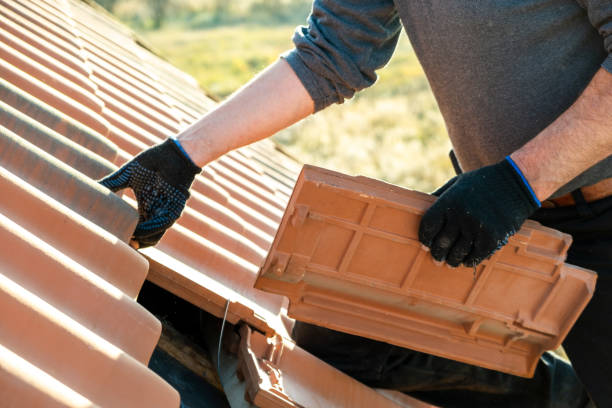
Closeup of worker hands installing yellow ceramic roofing tiles mounted on wooden boards covering residential building roof under construction. Closeup of worker hands installing yellow ceramic roofing tiles mounted on wooden boards covering residential building roof under construction. roofer contractor stock pictures, royalty-free photos & images

Expert Advice on Hiring a Minneapolis MN Roofing Contractor for Your Home

Hiring the right roofing contractor is a crucial step to ensure your home’s roof is durable, functional, and aesthetically pleasing. Whether you’re replacing an old roof or installing a new one, selecting a qualified professional can save you time, money, and future headaches. Here’s a comprehensive guide to help you make an informed decision.

Why Hiring the Right Roofing Contractor Matters

  • You safeguard your investment.
  • You reduce the risk of costly repairs later.
  • You gain access to expert advice on materials and techniques.

Key Factors to Consider When Selecting a Roofing Contractor

  1. Look for contractors with at least 5–10 years of experience in residential roofing projects.
  2. Check if they specialize in the type of roof you need (e.g., asphalt shingles, metal roofing).
  3. Verify that they hold valid contractor licenses as per local regulations.
  4. Ensure they have liability insurance and workers’ compensation coverage to protect you from potential liabilities.
  5. Research online reviews on platforms like Google or Yelp.
  6. Ask for references from previous clients to assess their reliability and quality of work.
  7. Request written estimates detailing labor costs, material costs, timelines, and warranty information.
  8. Avoid contractors who offer vague or unusually low quotes compared to others in your area.
  9. Inquire about warranties offered on both labor and materials.
  10. A reputable contractor should provide warranties that reflect their confidence in their work.

Questions to Ask Potential Roofing Contractors

  • How long have you been in business? Can I see examples of past projects?
  • What type of materials do you recommend for my project? Why?
  • Do you provide written contracts outlining all terms?
  • What is your plan for debris removal once the job is complete?

Warning Signs of Untrustworthy Contractors

Red Flag Why It’s Concerning
Lack of license Indicates non-compliance with local laws
No physical address Makes it harder to track them if issues arise
High-pressure tactics Pushes you into quick decisions
Cash-only payments Suggests lack of transparency

Benefits of Hiring Professionals vs. DIY Roofing

  • Access to high-quality tools and materials unavailable at retail stores.
  • Compliance with safety measures designed for complex projects like roofing.
  • Faster turnaround times due to expertise in efficient installation methods.

Taking time to evaluate contractors thoroughly can pay off significantly by ensuring peace of mind throughout your roofing project lifecycle. Always prioritize professionalism over haste when making this important decision.

Expert Tips for Minneapolis MN Roof Replacement and Durable Shingle Installation

Shingles are one of the most popular roofing materials due to their durability, affordability, and aesthetic appeal. Proper shingle installation is essential to ensure the longevity of your roof and protect your home against weather elements. This guide will walk you through everything you need to know about shingle installation, from preparation to final steps.

Benefits of Shingles

  • Affordable: Shingles are cost-effective compared to materials like metal or tile roofing.
  • Variety: Available in a wide range of colors, styles, and textures to suit any architectural design.
  • Durability: High-quality shingles can last 20–50 years depending on the type (asphalt, wood shake, or composite).
  • Ease of Installation: Compared to other materials, shingles are relatively simple to install or replace.

Materials and Tools Needed for Shingle Installation

Materials:
– Asphalt shingles (or another shingle type of your choice)
– Roofing underlayment (felt paper or synthetic underlayment)
– Roofing nails (appropriate size for your shingle material)
– Drip edge flashing

Tools:
– Roofing hammer or nail gun
– Utility knife for cutting shingles
– Chalk line for straight guidelines
– Ladder with stabilizer attachment
– Safety gear (harness, gloves, non-slip shoes)

Step-by-Step Process for Installing Shingles

  1. Remove any old roofing material completely. Inspect the decking underneath for signs of damage.
  2. Install a moisture barrier or underlayment over the entire roof surface. This provides additional waterproofing.
  3. Attach the drip edge along all edges of the roof. This ensures water runoff doesn’t penetrate under the roofline.
  4. Install starter strip shingles at the bottom edge of your roof as a base layer that overlaps slightly past the drip edge.
  5. Begin laying full rows of shingles from bottom to top.
  6. Use chalk lines as guides to ensure rows remain straight.
  7. Nail each shingle securely using four nails per shingle or per manufacturer guidelines.
  8. Offset each successive row by half a tab length from the previous row to create a staggered effect that prevents leaks.
  9. At roof edges and ridges, measure carefully before cutting excess material with a utility knife.
  10. Cap off ridge vents or hips with specially designed ridge cap shingles for added protection against wind-driven rain.

Common Mistakes To Avoid During Installation

Mistake Consequence Solution
Improper nail placement Leads to loose shingles Follow manufacturer nail guides
Skipping starter strips Water seeping underneath layers Always install starter strips
Uneven rows Reduces curb appeal Use chalk lines

Maintenance Tips for Long-lasting Performance

  1. Inspect your roof annually for damaged or missing shingles.
  2. Clean gutters regularly to prevent water backup.
  3. Trim overhanging branches that could damage shingles in winds.
  4. Address small issues promptly before they escalate into major repairs.

By following this guide closely and avoiding common mistakes during installation, you’ll achieve durable results while keeping repair costs minimal over time.

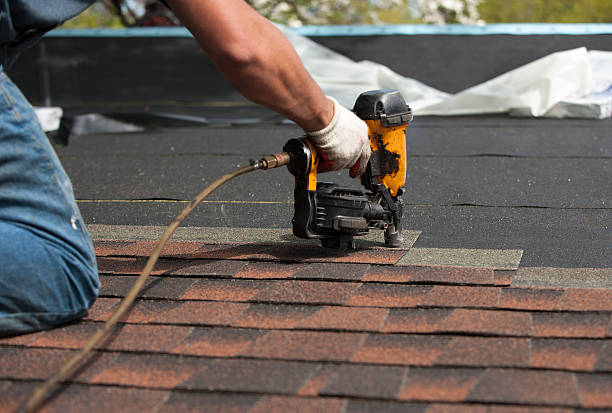
Unrecognizable roofer worker in special protective work wear and gloves, using air or pneumatic nail gun and installing asphalt or bitumen shingle on top of the new roof under construction residential building Unrecognizable roofer worker in special protective work wear and gloves, using air or pneumatic nail gun and installing asphalt or bitumen shingle on top of the new roof under construction residential building roofer contractor stock pictures, royalty-free photos & images

Benefits and Installation Tips for Minneapolis MN Roof Repair Using Membrane Roofing

Membrane roofing is a popular choice for both residential and commercial applications due to its durability, energy efficiency, and adaptability to various building types. If you’re considering membrane roofing for your property, it’s essential to understand its advantages, the installation process, and factors to weigh before making a decision. This guide will provide insights into membrane roofing to help you make an informed choice.

Benefits of Membrane Roofing

  • Weather Resistance: Membrane roofs are highly resistant to extreme weather conditions such as rain, snow, and UV radiation.
  • Energy Efficiency: Many membrane materials are designed with reflective properties that reduce heat absorption and lower cooling costs in warmer climates.
  • Durability: Properly installed membrane roofs can last 20–30 years or more with minimal maintenance.
  • Flexibility: These roofs can be installed on flat or low-sloped surfaces without compromising performance.
  • Waterproofing: The seamless design of membranes prevents water leaks and ensures effective drainage.

Types of Membrane Roofing

Type Description Ideal Use Cases
EPDM (Ethylene Propylene Diene Monomer) Synthetic rubber material; durable & cost-effective Residential and commercial flat roofs
TPO (Thermoplastic Polyolefin) Single-ply reflective material; energy-efficient Energy-conscious buildings
PVC (Polyvinyl Chloride) Flame-resistant & chemical-resistant Industrial buildings with exposure risks
Modified Bitumen Asphalt-based layered system Budget-friendly roofing for smaller projects

Steps for Installing Membrane Roofing

  1. Clean the roof deck thoroughly to remove debris or dirt.
  2. Inspect for any structural damages that need repair before installation.
  3. Lay down an appropriate insulation layer for improved thermal performance.
  4. Secure the insulation board using fasteners or adhesive.
  5. Position the membrane carefully across the surface.
  6. Allow sufficient overlap at seams to ensure watertight sealing.
  7. Use adhesive bonding or mechanical fasteners based on project requirements.
  8. Pay close attention to edges, corners, and penetrations such as vents or drains.
  9. Weld seams using heat-welding equipment or compatible sealants.
  10. Check for uniform sealing along all joints.
  11. Conduct a thorough inspection to identify potential issues like air bubbles or improper adhesion.
  12. Perform water testing if necessary.

Key Considerations When Choosing Membrane Roofing

  • Budget Constraints: Determine which type fits within your financial plan while providing desired benefits.
  • Climate Conditions: Choose materials suitable for specific regional weather patterns (e.g., UV resistance in sunny areas).
  • Building Design: Verify compatibility with your building’s structural layout (flat vs sloped roofs).
  • Maintenance Requirements: Understand cleaning schedules and potential repair costs over time.

Maintaining Your Membrane Roof

  • Conduct routine inspections twice a year or after severe weather events.
  • Keep drainage systems clear to prevent pooling water on flat surfaces.
  • Address minor damage promptly before it escalates into costly repairs.

By exploring all aspects of membrane roofing—from benefits to installation methods—you can ensure this versatile solution meets both short-term needs and long-term goals effectively.

Top Tips and Tricks for a Flawless Minneapolis MN Roof Installation with Professional Results

Ensuring a roofing project goes smoothly and delivers professional results requires careful planning, attention to detail, and expert knowledge. Whether you’re a homeowner overseeing the work or a contractor managing the process, following these essential tips can make all the difference.

1. Plan Ahead by Assessing Your Roofing Needs

  • Type of repair or replacement: Are you replacing shingles, fixing leaks, or installing a new roof entirely?
  • Roof material preferences: Asphalt shingles, metal roofing, tile, or membrane?
  • Roof size and pitch: Calculate dimensions to estimate costs more accurately.
  • Weather conditions: Plan around favorable weather to avoid unexpected delays.

Proper assessment at the beginning helps prevent mid-project surprises and ensures everything runs smoothly.

2. Invest in Quality Materials

Material Type Durability Rating Maintenance Needs
Asphalt Shingles Moderate (20–30 years) Low
Metal Roofing High (40–70 years) Low
Clay Tiles Very High (50+ years) Moderate
EPDM Membrane Moderate (20–25 years) Minimal

Consult with suppliers and contractors about which materials best suit your roof’s specific needs.

3. Hire Experienced Professionals

  • Check licenses and insurance.
  • Request references for past projects.
  • Verify their experience with your chosen roofing material.
  • Review warranties for both labor and materials.

An experienced contractor ensures that work complies with safety standards while delivering high-quality craftsmanship.

4. Prioritize Proper Ventilation

  • Install ridge vents at the peak of the roof.
  • Incorporate soffit vents for consistent airflow from lower roof areas upward.
  • Ensure there’s no blockage of vents during installation.

Good ventilation extends the life span of the roof and improves energy efficiency in your home.

5. Inspect Work Thoroughly During Installation

  • Proper underlayment installation before adding outer layers.
  • Straight alignment of shingles, ensuring no gaps are left exposed.
  • Secure flashing around chimneys, skylights, and vents.

Addressing issues during installation prevents costly fixes later on.

6. Maintain Safety Standards Throughout

For Homeowners Monitoring Work: – Keep children or pets away from work areas.

For Contractors or DIY Installers: – Wear proper safety gear such as harnesses and non-slip boots. – Use stable ladders approved for construction use.

Mitigating risks safeguards everyone involved and keeps delays at bay.

By following these tips and collaborating closely with skilled professionals when necessary, you’ll achieve flawless results while ensuring durability for years ahead.


Step-by-Step Guide to Roof Installation by a Trusted Minneapolis RooferStep-by-Step Guide to Roof Installation by a Trusted Minneapolis Roofer


| | 0 Comment| 8:20 am

Roof Contractor Talking On Cell Phone. Close Up Of Male Contractor Near Roof Covered With Black Ceramic Tiles Talking On Cell Phone. roofer contractor stock pictures, royalty-free photos & images

Installing a new roof is a significant investment, and understanding the process can help homeowners feel more confident about what to expect. Here’s a step-by-step breakdown of the roof installation process, ensuring transparency and clarity for homeowners preparing for this important project.

Step 1: Initial Inspection and Assessment by a Minneapolis MN Roofing Contractor

Before any work begins, roofing contractors will conduct a thorough inspection of your existing roof.
– Areas of damage or wear.
– Structural weaknesses in the decking or framework.
– Moisture damage, leaks, or mold growth underneath shingles.

The assessment provides the foundation for making informed decisions about materials and repair needs.

Step 2: Choosing Roofing Materials for Your Minneapolis MN Roof Replacement

Homeowners select roofing materials based on their budget, style preferences, and durability needs.

Material Lifespan Advantages Cost
Asphalt Shingles 20-30 years Affordable, easy to install $$
Metal Roofing 40-70 years Durable, energy-efficient $$$
Clay Tiles 50+ years Long-lasting, resistant to extreme heat $$$$
Slate Roofing 75+ years Unmatched durability and timeless look $$$$$

Your contractor will guide you through the pros and cons of each option to find what works best for your home.

Step 3: Minneapolis MN Roof Repair and Removing the Old Roof

The next step involves tearing off the existing roof down to its deck. This ensures all underlying issues can be addressed before installing new materials. Some key considerations during this phase include: – Proper disposal of old materials. – Protection of landscaping around your home. – Assessment of decking material to identify rot or warping.

Step 4: Minneapolis MN Roof Installation Deck Preparation and Repairs

Once old materials are removed, contractors inspect the decking (the wooden base beneath your roof) and make necessary repairs or replacements. This critical step ensures that your new roof has a sturdy foundation.

At this stage: – Damaged areas are replaced with new plywood. – Decking is secured to ensure structural integrity. – Contractors may install an underlayment (such as felt paper) as extra moisture protection.

Step 5: Installing Flashing

Flashing refers to metal pieces installed around vulnerable areas like chimneys, vents, skylights, and valleys where water tends to accumulate. Properly installed flashing prevents leaks by redirecting water away from these points.

Step 6: Laying Down New Roofing Material

The core part of the installation involves placing your chosen roofing material onto the prepared deck. Depending on the material type: – Shingles are nailed in overlapping rows starting from the bottom edge. – Metal panels are secured with screws along seams for maximum weather resistance. – Tile roofs are carefully arranged in interlocking patterns to create a watertight surface.

Contractors adhere closely to manufacturer guidelines during this process to ensure warranty compliance.

Step 7: Ventilation and Insulation Enhancements

Proper ventilation is crucial for maintaining energy efficiency and protecting your investment from moisture buildup or temperature extremes. Roofers may install ridge vents or soffit vents at this point if upgrades are needed.

Additionally: – Insulation layers may be added beneath certain types of roofing (e. g. , metal roofs). – Attic spaces are evaluated for effective airflow circulation.

Step 8: Final Clean-Up and Inspection

After installation is complete: 1. Contractors clean up debris from your property. 2. Any stray nails or sharp objects are removed using magnetic sweepers. 3. A final inspection ensures that all aspects meet local building codes as well as manufacturer standards.

A reliable contractor should also provide documentation such as warranties on both workmanship and materials used in your project.

By understanding each stage of this process—from initial assessment through final quality checks—homeowners can approach their roofing project with confidence knowing it’s being handled professionally.

Identifying When to Call a Minneapolis MN Roofing Contractor for a Roof Replacement

The lifespan of a roof depends on the materials used:
Asphalt shingles: Typically last 20–30 years.
Wood shakes
Metal roofs: Can last 40–70 years, depending on the material and upkeep.
Flat roofs(TPO, EPDM): Usually last 15–20 years.

Damaged shingles leave your home vulnerable to leaks and other problems.

Look out for:
Curling or buckling edges—often caused by aging or moisture.Granule loss—if you notice bald spots on shingles or granules in gutters.

Recurring leaks signify that repairs may no longer be sufficient.

Signs of water damage include:
– A persistent musty smell inside your home.

A sagging roof typically indicates structural issues caused by trapped moisture or weakened decking under roofing materials. This is a serious issue requiring immediate attention as it may pose safety risks.

Storm damage—such as impact from hailstones, falling tree limbs, or high winds—may necessitate replacement if the damage is extensive enough to compromise the overall integrity of the roofing system.

When Repairs Aren’t Enough

While small areas of damage can often be fixed with targeted repairs, there are times when replacing your entire roof is more cost-effective in the long run:
– Significant damage across multiple areas. – Recurring repairs within a short timeframe. – Rising energy bills due to poor insulation caused by an aging roof.

Benefits of Acting Promptly

Delaying necessary roof replacement can lead to escalating costs and further issues within your home’s structure over time.
1. Prevent interior water damage and costly repairs. 2. 3.

Roofing Material Average Lifespan Replacement Urgency Recommendation
Asphalt Shingles 20–30 years Moderate; inspect after ~15 years
Metal Roofing 40–70 years Low; inspect every few decades
Wood Shakes/Shingles 20–25 years High after ~20 years
TPO/EPDM (Flat Roofs) 15–20 years Inspect regularly after ~10 years

Next Steps

Expert Tips for Finding a Qualified Roofing Contractor

With so many contractors in the market, it can be overwhelming to make the right choice. Here are expert tips to help you find a professional roofing contractor who meets your needs.

Research and Verify Credentials

Before hiring a roofing contractor, take time to do thorough research.
Licensing and Certifications: Ensure the contractor holds a valid license specific to your state or region. Certifications from manufacturers (e. g. , GAF, Owens Corning) also indicate expertise.
Insurance: Request proof of liability insurance and workers’ compensation coverage. These protect both you and the contractor in case of accidents or damage during the project.
Memberships in Professional Associations: Contractors affiliated with organizations like the National Roofing Contractors Association (NRCA) demonstrate adherence to industry standards.

Read Reviews and Ask for References

Reviews and references play an integral role in assessing a contractor’s reputation.
– Check third-party websites like Google Reviews, BBB (Better Business Bureau), or Angie’s List for unbiased feedback about their service quality.
– Ask contractors directly for references of past clients who’ve had similar work done. Follow up by contacting those references to gauge satisfaction with workmanship, communication, timeliness, and cleanup processes.

Request Multiple Quotes

Obtaining quotes from at least three different contractors allows you to compare costs effectively while considering value over price alone. Be wary of unusually low bids, as they may indicate subpar materials or unskilled labor.

Here’s what a detailed quote should typically include: | Component | Details | |——————–|————————————————————–| | Materials | Type, brand, grade of shingles/roofing material | | Labor Costs | Hourly rate or flat cost associated with installation/removal| | Timeline | Start date, estimated duration | | Cleanup/Disposal | Handling of debris post-project completion |

Confirm Warranty Options

A reliable roofing contractor should provide two types of warranties:
1.Manufacturer’s Warranty– Covers defects related to roofing materials. 2.Workmanship Warranty– Covers errors made during installation by the contractor.

Ask clear questions about coverage length and terms before making any commitments.

Ensure Clear Communication

Effective communication reflects professionalism throughout the project timeline.
– Pay attention to how promptly they respond to inquiries. – Ensure they explain technical aspects clearly without pressuring you into fast decisions. – Confirm all agreements are documented in writing (contract form), including payment schedules, materials used, permits required, etc.

Avoid Red Flags

Stay vigilant about potential warning signs such as:
– Lack of proper documentation (licenses/insurance).
– High-pressure sales tactics pushing immediate decisions. – Unwillingness to provide written estimates/contracts. – Poor online reviews with consistent complaints regarding delays or unfinished work.

Asian tile roofing workers, smiling at the camera, lifted their thumbs to indicate the stability of the roof. Asian tile roofing workers, smiling at the camera, lifted their thumbs to indicate the stability of the roof. roofer contractor stock pictures, royalty-free photos & images

Understanding the Cost to Install a Brand-New Roof

When planning for a new roof installation, understanding the associated costs is essential for homeowners. Roof replacement or new roof installation is a significant investment, and knowing the factors that influence its cost can help you make informed decisions. Below are key aspects to consider when estimating the cost of installing a brand-new roof.

Factors That Influence Roof Installation Costs

  1. Larger roofs require more materials and labor, which increases the installation cost.
  2. Complex roof designs with multiple angles, valleys, or steep slopes often demand additional expertise and time, adding to the expense.
  3. Roofing materials vary widely in price:
    | Material Type | Average Cost per Square Foot (Installed) | Longevity (Years) | |———————-|——————————————-|——————-| | Asphalt Shingles | $3 – $5 | 20-30 | | Metal Roofing | $5 – $12 | 40-70 | | Wood Shingles/Shakes | $6 – $9 | 30-50 | | Clay Tiles | $10 – $18 | 50-100 | | Slate Roofing | $15 – $30 | 75+ |
  4. The choice of material depends on your budget, climate considerations, and aesthetic preferences.
  5. Labor Costs
    Labor accounts for a significant portion of roofing expenses. Factors such as local labor rates and contractor expertise will influence this cost.
  6. Geographic Location
    Prices can vary depending on your region due to differences in material availability, shipping costs, and climate-related challenges.
  7. Roofing Removal & Disposal Fees
    If you’re replacing an old roof, removing existing materials will add to the total cost. Disposal fees for old shingles or debris are also typically included.
  8. Permits and Inspections
    Local building codes often require permits for roof installations or replacements. These fees must be factored into your budget.

Additional Costs to Keep in Mind

  • Repairs to Structural Damage:If underlying issues such as rotted wood or water damage are discovered during installation, they must be addressed. This adds both time and expense.
  • Upgrades:Upgrades like improved insulation or ventilation systems can increase efficiency but add to upfront costs.

Tips for Budgeting Your New Roof

  • Obtain quotes from multiple contractors to ensure competitive pricing.
  • Verify what’s included in each quote—some contractors provide all-inclusive estimates while others itemize charges.
  • Allocate additional funds for unexpected repairs or delays during the project.

Investing time into understanding these expenses helps homeowners prioritize effectively while staying within their desired budget range for a brand-new roof installation process.

Comprehensive 8-Step Guide to Professional Roof Installation

When it comes to ensuring the longevity and durability of your home, a professionally installed roof is one of the most critical investments you can make. A roof installation process involves careful planning, expert execution, and attention to detail at every step. Below is a comprehensive 8-step guide that outlines what goes into a professional roof installation.

Before beginning any roof installation project, professionals conduct a thorough inspection of the existing roof structure.
– Checking for damage to the underlying structure or decking.
– Identifying moisture issues, rot, or mold.
– Assessing ventilation and insulation requirements.

This step helps determine whether a complete tear-off is necessary or if new shingles can be installed over the existing roof.

Preparation ensures that your property remains protected during the installation process.
– Covering landscaping, windows, and nearby structures with tarps or protective barriers.
– Removing furniture or items from attics where possible debris may fall through during installation.

Proper workspace preparation minimizes potential damage to your home and eases cleanup afterward.

For most installations, removing old shingles or roofing materials is crucial for ensuring stability and eliminating hidden issues beneath the surface.

Tasks During Removal Purpose
Removing old shingles Prevents layering issues
Clearing underlayment Exposes potential decking repairs
Inspecting wood decking Identifies rot or warping

This step ensures a stable foundation for your new roofing system.

Once old materials are removed, professionals inspect and repair the decking as needed by replacing damaged sections of wood or reinforcing weak areas. This is essential because compromised decking can lead to premature roofing failures down the road.

Underlayment serves as a critical barrier against moisture infiltration. Depending on your local climate conditions and roofing material type, contractors may use: – Synthetic underlayment for superior water resistance. – Traditional felt underlayment for affordability in moderate climates. Adding this layer helps prevent leaks by providing an extra line of defense underneath your shingles.

Flashing is installed around chimneys, skylights, vents, valleys, and other areas prone to leaks: – Metal flashing prevents water penetration. – Proper sealing ensures no gaps remain around critical junction points. Neglecting flashing often leads to long-term water damage even on brand-new roofs.

This step involves securing new shingles (or alternative materials like tiles/metal panels) onto the prepared decking: – Shingles are layered in overlapping rows starting from the bottom edge of the roof. – Nails are carefully placed following manufacturer guidelines to ensure they don’t compromise waterproofing layers. Proper alignment not only enhances aesthetics but also ensures optimal functionality against wind uplift and water shedding.

After completing shingle installation: 1. Contractors remove all debris from your property (e. g. , nails, scraps). 2. A final inspection ensures that every component—from flashing to ridge vents—meets industry standards. 3. You’ll be provided with documentation like warranties and care instructions for future maintenance.

By completing these steps meticulously, professional roofing contractors deliver results that enhance both curb appeal and structural integrity while protecting your investment for years ahead.

With this guide in mind, homeowners can gain valuable insights into what makes up a high-quality roof installation process—a crucial factor when choosing skilled professionals for their project needs.

How Long Does a Metal Roof Really Last?

Metal roofs have become increasingly popular among homeowners due to their durability, longevity, and modern aesthetic appeal. However, one critical question many homeowners ask is how long a metal roof can truly last. Below, we delve into the key factors that affect the lifespan of a metal roof, what maintenance is required to extend its life, and why it’s one of the most reliable roofing options available.

Typical Lifespan of Metal Roofs

The lifespan of a metal roof depends on several factors such as the material used, environmental conditions, and proper installation.

Material Lifespan (Years)
Galvanized Steel 40–60
Aluminum 50–70
Copper Over 100
Zinc 80+

These figures assume proper installation and regular maintenance. Many metal roofs outlast their estimated lifespans when cared for correctly.

Factors Affecting the Longevity of Metal Roofs

  1. Material Quality
    High-quality metals like copper or aluminum tend to last longer than lower-grade materials. Opting for premium materials provides better resistance to corrosion, warping, and general wear.
  2. Proper Installation
    Installation errors can compromise even the best materials. Always ensure skilled professionals handle your roofing project to avoid issues such as water leaks or structural compromises.
  3. Coastal areas with high salt levels may accelerate corrosion in some metals like galvanized steel unless they are treated or coated properly.
  4. Heavy snow or frequent hailstorms can cause damage over time if the roof isn’t designed with these conditions in mind.
  5. Maintenance Practices
    Routine inspections and addressing minor issues early (e. g. , fixing small leaks or replacing damaged panels) help extend your roof’s lifespan significantly.

Benefits of Choosing a Metal Roof for Longevity

  • Durability Against Weather Elements:
    Metal roofs stand up well against harsh weather conditions such as heavy winds, snow, hail, and rain.
  • Corrosion Resistance:
    Many modern metal roofs are treated with protective coatings like galvalume or zinc coatings to prevent rust and corrosion.
  • Fire Resistance:
    Metal is non-combustible, making it a safe choice for areas prone to wildfires.
  • Low Maintenance Requirements:
    Unlike asphalt shingles that may need frequent replacement or repair, metal roofs require minimal upkeep over decades.

Maintenance Tips for Maximizing Lifespan

  • Conduct biannual inspections to check for loose fasteners or damaged panels.
  • Clear debris from gutters regularly to prevent water pooling near edges.
  • Apply protective coatings every few years if recommended by the manufacturer.
  • Fix minor scratches promptly to avoid exposing underlying material to moisture.
  • Avoid walking on your roof unless absolutely necessary; use proper equipment if inspection from above is required.

By understanding these factors and following best practices for care and maintenance, homeowners can enjoy decades — even generations — of reliable performance from their metal roofing systems.

4 Benefits of Versico Roofing Products and Why They Stand Out

When choosing roofing materials, the brand you select significantly impacts your roof’s longevity, performance, and overall aesthetics. Versico is a trusted name in the roofing industry, known for its high-quality products backed by advanced technology and years of expertise. Below, we outline four key benefits of Versico roofing products and explain why they continue to stand out among competitors.

Versico roofing products are designed to withstand the harshest environmental conditions, making them an excellent choice for both residential and commercial properties. Whether it’s extreme heat, heavy rain, or freezing temperatures, their materials maintain integrity over time. This durability minimizes maintenance needs and extends the roof’s lifespan.

  • UV-resistant membranes that prevent sun damage
  • High-tensile strength materials to resist tears and punctures
  • Excellent resistance to weathering from wind or hail
Product Type Durability Feature Lifespan
TPO Membranes Heat-weldable seams for strong bonds Up to 25+ years
EPDM Systems Flexible in extreme temperatures 20–30 years or longer

Versico offers several energy-efficient roofing solutions that help homeowners reduce energy consumption and lower utility costs. Their TPO (Thermoplastic Polyolefin) membranes are particularly notable for their reflective properties.

  • Reflects sunlight to reduce heat absorption into your home or building
  • Helps maintain indoor temperatures without over-reliance on HVAC systems
  • Potential to qualify for energy efficiency tax credits

This focus on sustainability not only benefits homeowners financially but also aligns with eco-conscious building practices.

Every property has unique needs when it comes to roofing solutions. One of Versico’s standout qualities is its extensive selection of materials, colors, thicknesses, and styles tailored to meet diverse requirements.

  • TPO Roofing Systems: Known for their lightweight yet durable construction suitable for commercial properties
  • EPDM Roofing Systems: Highly flexible materials ideal for areas with fluctuating temperatures
  • PVC Membranes: Provides superior chemical resistance in environments prone to grease exposure (e. g.

Additionally, customers can select from various insulation options that further enhance thermal performance.

Versico offers industry-leading warranty options tailored specifically to their product lines.

  • Types of Warranties Available:
    • Standard Material Warranty covering defects in manufacturing
    • Total System Warranty offering extended protection on entire installations
    • No Dollar Limit (NDL) Warranties assuring comprehensive coverage based on workmanship quality

These warranties showcase confidence in their products while ensuring customers receive reliable protection post-installation.

By prioritizing durability, energy efficiency, customization options, and warranty protection across all product lines, Versico continues setting itself apart as a top-tier choice among roofing brands worldwide.


Essential Tips for Minneapolis MN Roof Replacement with Solar PanelsEssential Tips for Minneapolis MN Roof Replacement with Solar Panels


| | 0 Comment| 8:19 am

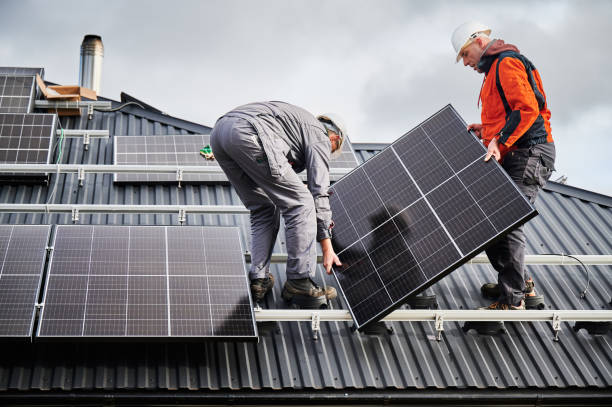
Technicians carrying photovoltaic solar module while installing solar panel system on roof of house Engineers building solar panel system on roof of house. Men workers in helmets carrying photovoltaic solar module outdoors. Concept of alternative and renewable energy. roofer contractor stock pictures, royalty-free photos & images

When considering solar panels for your home, one of the most crucial factors to evaluate is the current condition of your roof. Solar panels are a long-term investment, typically lasting 25 years or more. Installing them on a roof nearing the end of its lifespan can lead to additional expenses and complications in the future. Below are key considerations homeowners should keep in mind when deciding whether to replace their roof before adding solar panels.

Assessing Your Roof’s Condition

Before installing solar panels, it’s essential to have your roof thoroughly inspected by a professional roofer.

  • Age of the Roof: Asphalt shingle roofs generally last 20–25 years, while metal and tile roofs can last longer. If your roof is nearing its expected lifespan, replacement might be necessary.
  • Structural Integrity: A sturdy and damage-free roof ensures it can support the weight of solar panels without risk of collapse or further deterioration.
  • Leaks or Damage: Look for signs of water leaks, sagging areas, missing shingles, or other visible damage that could compromise the installation process.
  • Roof Material Compatibility: Not all roofing materials work well with solar panel mounting systems.
  • Asphalt shingles and metal roofs are highly compatible.
  • Clay tile roofs may require additional customization for installation.

Factors to Consider Before Replacing Your Roof

If an inspection reveals issues that would make rooftop solar installation problematic, replacing your roof beforehand may be a wise decision.

  1. Replacing a portion or all of your roof after installing solar panels involves additional labor costs because panels must be temporarily removed and reinstalled.
  2. Tackling both projects together eliminates duplication of effort and reduces overall expenses over time.
  3. Maximizing Solar Panel Efficiency
    A new roof provides a stable foundation for your solar system and ensures better performance without risks posed by structural weaknesses.
  4. Enhanced Home Value
    Combining solar panel installation with a new roof improves curb appeal and increases property value—making it more attractive to potential buyers if you sell in the future.

Timing Matters – When Should You Replace Your Roof?

If your existing roof has less than ten years of life expectancy remaining, it’s generally advisable to replace it before investing in solar panels. However, if the structure is relatively new (under five years old), an inspection may suffice to confirm its readiness for installation without requiring replacement.

Life Expectancy Recommended Action
Less than 10 years Replace before installing solar system
10–20 years Inspect thoroughly; repairs may suffice
Over 20 years Likely no replacement needed

Collaborating with Professionals

  • Work with both certified roofing contractors and licensed solar technicians who understand how these installations interact.
  • Seek companies offering warranties on both roofing materials and panel systems when completed simultaneously.

Taking these steps proactively ensures that your investment in renewable energy aligns perfectly with the structural needs of your home—paving the way for sustainable savings over decades ahead without unnecessary disruptions along the way.

Why Hiring a Minneapolis Roofer Matters Before Installing Solar Panels

If you’re considering installing solar panels on your home, it’s essential to evaluate the condition of your roof first. Replacing your roof before adding solar panels can save you time, money, and effort in the long run. Below, we’ll explore the primary benefits of taking this proactive approach and why it’s a smart choice for homeowners.

How to Save on Minneapolis MN Roof Repair When Removing and Reinstalling Solar Panels

Installing solar panels on an older or deteriorating roof may seem like a short-term solution, but if you need to replace the roof later, you’ll need to remove and reinstall your solar panels. This process is both time-consuming and expensive.
– Labor costs associated with removing panels
– Potential damage to solar equipment during removal or reinstallation
– Additional expenses for storage or temporary electrical solutions

This upfront investment ensures your new roof can support the solar system for its entire lifespan—typically 20–25 years—without interruption.

Enhanced Structural Integrity with Minneapolis MN Roof Installation

Solar panel systems add weight to your roof. Older roofs may not have the structural integrity required to support this additional load safely.
– Whether reinforcements are needed to handle extra weight
– The condition of key components like decking, flashing, and underlayment
This guarantees that both the new roof and installed solar panels remain stable over time.

Roof Condition Action Required Before Solar Installation
New or Excellent Roof Proceed with solar installation
Minor Wear Consider minor repairs before installation
Aging or Damaged Roof Full replacement recommended prior to installing panels

1. Extend Your Roof’s Lifespan Alongside Your Solar Panels

Modern roofing materials like asphalt shingles or metal roofs often come with warranties ranging from 20–50 years—similar to the lifespan of most solar systems.
– You align their lifespans more effectively
– Reduce future disruptions from mismatched maintenance cycles

This synchronization minimizes unexpected repair needs just as your solar system becomes fully operational.

2. Increase Energy Efficiency

A new roof offers opportunities to improve energy efficiency even before adding a renewable energy system:
– Install proper insulation layers during replacement
– Utilize reflective roofing materials (e. g.

Combined with a solar panel system, these steps maximize energy savings by reducing overall household energy consumption.

3. Boost Home Value and Market Appeal

A home with a new roof plus an efficient solar energy system is highly attractive in today’s real estate market:
– Newer roofs reassure buyers about long-term durability
– Solar installations appeal to eco-conscious buyers seeking reduced utility costs

These upgrades increase property value while potentially qualifying homeowners for tax credits and incentives tied to renewable energy systems.

Replacing your roof before installing solar panels is more than just a practical decision—it’s an investment in peace of mind, cost savings, and long-term sustainability.

roofers installing new roof on house roofers installing a new roof on residential home. weatherlock material and brown asphalt roofing shingles roofer contractor stock pictures, royalty-free photos & images

Understanding the Costs of Hiring a Minneapolis MN Roofing Contractor for Solar Panel Removal and Roof Replacement

When it comes to roof replacement, the costs associated with removing and reinstalling solar panels are an important consideration for homeowners. If your roof requires maintenance or replacement after investing in a solar energy system, you’ll need to account for these additional expenses. This guide will help you understand the factors that influence these costs, so you can better prepare for potential expenses.

Factors Impacting Costs

  1. Number of Panels
    The more panels on your roof, the more labor-intensive the removal and reinstallation process will be. Larger systems typically result in higher costs.
  2. Traditional rooftop-mounted solar panels are relatively straightforward to remove and reinstall compared to specialized designs like solar shingles or ground-mounted systems.
  3. Systems with battery storage or complex wiring may involve additional labor.
  4. Contractor or Installer Rates
    Labor rates vary depending on your location and the contractor you hire. Some roofing companies partner with certified solar technicians, while others require you to coordinate with your original solar installer.
  5. Roof Design Complexity
    Roofs with unique shapes, steep slopes, or multiple levels may increase installation complexity, leading to higher costs.
  6. Inspection Fees
    After reinstallation, local building codes may require inspections to ensure safety and compliance standards are met. These inspections could incur extra fees.

Average Cost Breakdown

Service Average Cost (USD)
Panel Removal $100 – $300 per panel
Roof Replacement (Labor) Varies by material type
Panel Reinstallation $100 – $300 per panel
Permit/Inspection Fees $150 – $500

Keep in mind that prices can fluctuate based on region, labor availability, and specific project requirements.

How to Minimize Expenses

  • Coordinate Maintenance Work: Try scheduling roof repairs before installing a new system if possible.
  • Check Warranties: Review warranties offered by both your roofing contractor and original solar installer; some warranties may cover part of this process.
  • Choose Experienced Professionals: Hiring professionals who specialize in both roofing and solar systems ensures efficiency and minimizes risks during removal/reinstallation.
  • Consider Insurance Coverage: Check whether your homeowner’s insurance policy includes coverage for damage associated with roofing work involving renewable energy installations.

Key Takeaways

Understanding the costs involved in removing and reinstalling solar panels as part of a roof replacement ensures better financial planning when addressing home maintenance needs. By considering factors like system size, contractor rates, and inspection requirements early on, you can avoid unexpected expenses while protecting both your investment in renewable energy systems and the structural integrity of your home’s roof.

How to Find a Minneapolis MN Roofing Contractor After Going Solar

Replacing your roof after installing solar panels can seem like a daunting task, but with proper planning and professional assistance, the process can be managed efficiently. Here are essential steps and considerations to guide you through this situation.

Assessing Roof Condition

Before proceeding, it’s important to evaluate whether a full roof replacement is necessary or if repairs will suffice.

  • Age of the roof:Most roofs last between 20-30 years depending on the material.
  • Leaks or water damage:Persistent leaks can compromise structural integrity.
  • Sagging areas:A sagging roof could point to underlying structural issues.

Have a roofing professional inspect your roof thoroughly to determine if replacement is unavoidable.

Coordinating with Your Solar Installer

Once you’ve decided on replacing the roof, coordination with your solar panel provider or installer is a critical step. Many solar companies offer removal and reinstallation (also called “R&R”) services for panels during a roofing project.

  1. Scheduling: The solar company must align their schedule with the roofing contractor’s timeline.
  2. Responsibility: Confirm who will handle dismantling the system—some roofs require specialized technicians for safe removal of panels and related equipment like inverters and wiring.
  3. Warranty Impact: Check if removing or moving panels affects any warranties for either your roofing materials or solar system components.

Removal and Reinstallation Costs

Budgeting is an important part of this process as removing and reinstalling solar panels adds an additional expense to the overall project cost. Average costs for R&R range from $1,500-$6,000 depending on factors like system size and complexity.

Service/Item Estimated Cost Range
Panel removal $200 – $500 per panel
Temporary storage $100 – $300
Reinstallation $200 – $400 per panel
Electrical inspection post-reinstall $150 – $500

Obtaining quotes from multiple contractors will help ensure you get fair pricing.

Upgrading Your Roof Material for Longevity

When replacing your roof after going solar, consider opting for a material that enhances durability and extends its lifespan so future replacements are minimized while solar panels remain functional for decades (typically 25+ years).

  • Metal Roofing: Known for longevity (upwards of 50 years) and energy efficiency.
  • Asphalt Shingles: Affordable but may wear out sooner compared to other materials.
  • Clay Tiles: Offers durability with an elegant aesthetic but may require additional structural support.

Longer-lasting materials reduce disruptions caused by future roofing needs while protecting both your home and investment in renewable energy.

Steps After Roof Replacement Work

  1. Panel Reinstallation: Ensure licensed installers handle this process according to local building codes.
  2. System Testing: Conduct performance testing post-reinstall to confirm everything functions as expected.
  3. Permitting/Inspections: Depending on local regulations, additional inspections or permits might be needed before reconnecting to grid power.

Collaborating with experienced professionals ensures both safety standards are met and that energy production resumes seamlessly.

Preparing ahead simplifies challenges associated with replacing a roof after going solar—giving peace of mind while maintaining commitment toward sustainable living practices.

What to Do If You Need to Replace Your Roof After Going Solar

Replacing a roof after installing solar panels requires careful planning and coordination to ensure both your roofing and solar energy systems are handled properly. While it may seem like a complex process, it is manageable with the right knowledge and resources. Here’s what you need to know if you need to replace your roof after going solar.

Assessing the Condition of Your Roof

Before moving forward, determine if replacing your roof is necessary.
– Significant damage such as leaks or missing shingles
– Structural issues like sagging areas or compromised decking
– Age-related wear (roofs nearing their lifespan, e. g.

Consider hiring a professional roofing contractor or inspector to assess the condition of your roof. This ensures an accurate evaluation before proceeding with any work.

Steps for Roof Replacement After Solar Installation

  1. Contact Your Solar Provider
    Reach out to the company that installed your solar panels. They will likely need to be involved in removing and reinstalling the system safely. Many solar companies offer maintenance services, so inquire about their assistance during this process.
  2. Plan for Panel Removal
    Removing solar panels temporarily is crucial during a roof replacement. Coordinate with your solar installer to schedule the removal of panels and other essential components such as inverters, racking systems, and electrical wiring.
  3. Hire Skilled Contractors
    Once the panels are removed, work with an experienced roofing contractor who understands how to handle roofs supporting solar installations.
  4. Schedule Reinstallation
    After completing the roof replacement, arrange for your solar provider or a qualified technician to reinstall the system efficiently without causing damage.

Key Considerations During This Process

Costs Involved

Replacing a roof post-solar installation includes additional costs beyond typical roofing expenses due to:
– Removing and reinstalling solar equipment (can range from $1,000–$6,000 depending on complexity)
– Potential downtime where energy production is paused

Timing & Coordination

The process may take longer due to coordination between contractors and installers. Ensure both parties are aligned on timelines before beginning work.

Roofing Material Compatibility

If upgrading materials (e. g. , switching from asphalt shingles to metal), confirm compatibility with your existing solar mounting system.

Roofing Material Average Lifespan Compatibility Check Needed?
Asphalt Shingles 20–30 years Yes
Metal Roofing 40–70 years Yes
Tile Roofing 50+ years Yes

Proactive Measures for Future Repairs

To minimize disruption from future repairs:
– Opt for high-quality roofing materials with longer lifespans when replacing your roof. – Schedule regular maintenance checks for both your roof and solar system. – Discuss warranty options with contractors and installers covering their respective work.

Replacing a roof after going solar requires thoughtful preparation but ensures long-term integrity of both systems when done properly. By staying informed and organized throughout this process, homeowners can smoothly transition while safeguarding their investment in renewable energy solutions.


What Minneapolis MN Roofing Contractor Experts Want You to Know Before Installing a New RoofWhat Minneapolis MN Roofing Contractor Experts Want You to Know Before Installing a New Roof


| | 0 Comment| 8:18 am

Construction worker roofers installing roofing tiles on residential building Construction worker roofers installing roofing tiles on residential building roofer contractor stock pictures, royalty-free photos & images

Roofing over an existing roof, commonly referred to as “overlay roofing,” is a common approach taken by homeowners looking to save time and money during a roof renovation. However, before committing to this method, it’s important to understand its requirements, benefits, and potential drawbacks. Below is a breakdown of the key considerations when deciding whether roofing over an existing roof is the right move for your property.

What Is Roofing Over an Existing Roof?

Roofing over an existing roof involves installing a new layer of shingles directly on top of the old one instead of removing the original roofing material. This method is often chosen for its simplicity and cost-effectiveness but comes with specific structural and regulatory requirements that must be met.

Factors to Consider Before Roofing Over an Existing Roof

  1. The underlying roof structure must be in excellent condition. If there is sagging, rot, or water damage in the existing layers, these issues need to be addressed before adding another layer.
  2. A professional inspection can help identify whether your roof can handle the additional weight from a second layer of shingles.
  3. Certain municipalities have strict regulations regarding how many layers of shingles are permitted on a single roof. Most codes allow only up to two layers; exceeding this limit may result in fines or require complete removal.
  4. Always consult local building codes or involve a licensed roofer familiar with your area’s regulations.
  5. If your current shingles are nearing their end life due to age or severe damage (e.g., curling edges or missing granules), adding another layer may not solve underlying problems.
  6. In such cases, full replacement may prove more effective in ensuring long-term durability.
  7. Not all shingles are designed for layering. Asphalt shingles work well when layering because they are lightweight and flexible.
  8. Heavier materials like clay tiles or wood shakes typically require complete removal before installing new roofing material.

Benefits of Roofing Over an Existing Roof

  • Cost Savings: Eliminating tear-off costs reduces labor expenses significantly.
  • Time Efficiency: The process is faster since no time is spent on removing old materials.
  • Reduced Landfill Waste: Avoiding the disposal of old shingles contributes positively to environmental sustainability.

Potential Drawbacks

  • Weight Concerns: Adding more weight can strain your home’s frame and lead to long-term structural issues if not carefully assessed beforehand.
  • Shorter Lifespan: Layered roofs tend to have reduced longevity compared to completely replaced ones due to heat retention between layers.
  • Harder Inspections & Repairs: Detecting leaks or damage becomes more challenging with multiple shingle layers.
Aspect Reroofing (Overlay) Full Replacement
Cost Lower Higher
Duration Faster Longer
Longevity Moderate Higher
Waste Production Minimal Significant

When Is Roofing Over Right for You?

Overlay roofing typically works best for: – Homeowners on tight budgets who need immediate repairs without major reconstruction efforts. – Houses with only one existing shingle layer that meets local building code requirements. – Situations where the current structure has been inspected and deemed capable of supporting additional weight.

By understanding these factors, you’ll be better equipped to make informed decisions about whether roofing over an existing roof aligns with your home’s needs and long-term goals.

Understanding Minneapolis MN Roof Replacement vs. Reroofing

When considering a new roof, homeowners often face the decision between reroofing and a full roof replacement. While both options aim to restore the functionality and appearance of your roof, they differ significantly in terms of process, cost, and long-term implications. Understanding these differences is essential for making an informed decision based on your budget, timeline, and specific roofing needs.

What Is Reroofing?

Reroofing involves adding a new layer of shingles over an existing layer, provided your roof has only one current layer in place. It is considered a more cost-effective and less invasive option compared to a full replacement. However, it is not always suitable for every situation.

Key Features of Reroofing:
– Adds a second layer of shingles without removing the original material.
– Can only be done if the existing roof is in good condition without significant damage or structural issues.
– Typically quicker to complete since there’s no need for tear-off or extensive labor.

When to Consider Reroofing:
– The roof has minor cosmetic issues such as fading or curling shingles but remains structurally sound.
– You need a budget-friendly solution with minimal disruption during installation.
– The existing shingles are free from moisture damage or rot.

What Is a Full Roof Replacement?

A full roof replacement entails tearing off all existing roofing materials down to the decking and installing entirely new layers from scratch. This approach ensures the structural integrity of your home by addressing underlying issues that might go unnoticed during reroofing.

Key Features of Full Roof Replacement:
– Involves removing all old shingles and inspecting the underlying deck for damage or decay.
– Allows thorough repairs or upgrades to insulation and ventilation systems as needed.
– Provides an opportunity to install higher-quality materials that enhance durability and longevity.

When to Choose Roof Replacement:
– The existing roof has multiple layers of shingles (most building codes prohibit adding more than two layers).
– There are signs of severe damage such as leaks, sagging areas, mold growth, or widespread rot underneath the surface.
– Your home requires modern insulation upgrades to improve energy efficiency.

Comparison Table: Reroofing vs Full Roof Replacement

Factor Reroofing Full Roof Replacement
Cost Lower; no tear-off required Higher; includes tear-off labor
Time Required Faster completion Longer due to additional steps
Durability May not address underlying issues Long-lasting with proper repairs
Suitability Best for minor wear-and-tear Ideal for severely damaged roofs

Factors That Influence Your Decision

  1. Budget: If cost is a primary concern, reroofing may be ideal; however, investing in replacement can pay off in long-term durability.
  2. Roof Age: Older roofs nearing their lifespan may benefit from replacement rather than temporary fixes through reroofing.
  3. Extent of Damage: A professional inspection should determine whether structural problems exist that warrant complete removal.
  4. Future Plans: If you plan on selling your home soon, consider which option adds more resale value based on market trends in your area.

By carefully evaluating these aspects alongside expert advice from qualified roofing contractors, you can select the option that best suits both your immediate needs and long-term goals while ensuring optimal performance from your new roofing system over time.

Comprehensive Guide to Minneapolis MN Roof Repair and Professional Reroofing

Reroofing a house is an intricate process that requires careful planning, precision, and expertise. Whether you’re addressing minor wear and tear or preparing for long-term durability, following a professional approach ensures the best results. This step-by-step guide outlines how to reroof a house professionally.

Step 1: Inspect the Existing Roof

A thorough inspection of your existing roof is essential before beginning any reroofing work. Focus on:
– Identifying damaged areas such as rotting wood, leaks, or deteriorated shingles.
– Checking for underlying structural issues or ventilation problems.
– Ensuring local building codes allow for additional layers of roofing material (some areas have restrictions).

Use this inspection phase to determine if the roof can support another layer of shingles or if a full replacement is necessary.

Step 2: Gather Tools and Materials

Preparation is key to ensuring efficiency during the reroofing process. Assemble all necessary tools and materials in advance:
Tools: Roofing nail gun, pry bar, utility knife, chalk line, roofing hammer.
Materials: New shingles, roofing underlayment (if applicable), nails, flashing, drip edges.

Create an organized workspace to minimize downtime during the project.

Step 3: Prepare the Roof Surface

Before adding new shingles over an existing roof:
1. Remove all debris from the surface (dirt, leaves, loose nails).
2. Replace any damaged shingles that could compromise the new layer’s integrity.
3. Repair soft spots in decking material caused by moisture damage.

Enhancing surface preparation reduces future risks like water infiltration or uneven shingle placement.

Step 4: Install Drip Edge and Flashing

A professional reroofing job requires high attention to detail in protecting vulnerable areas like edges and joints: – Install drip edge along eaves and rakes to direct water away from fascia boards. – Add flashing around chimneys, vents, skylights, and valleys for additional leak protection.

Properly installed flashing prevents moisture from seeping into gaps between layers.

Step 5: Lay Down Underlayment (Optional)

Underlayment provides an added barrier against moisture penetration: – For colder climates prone to ice dams or heavy rainstorms, applying a waterproof underlayment is highly recommended. – Use high-quality options like synthetic underlayments for better durability compared to traditional felt paper.

This step may not always be required when re-roofing directly over existing shingles but adds significant value where applicable.

Step 6: Install New Shingles

Place each row of new shingles carefully: 1. Begin at the bottom edge of your roof. 2. Use chalk lines as guides for uniform alignment. 3. Nail each shingle securely without driving nails too deeply into old layers. 4. Stagger joints from one row to another for improved aesthetics and structural integrity.

Adhering strictly to manufacturer guidelines ensures warranty compliance while maximizing performance longevity.

Table Example: Essential Dos & Don’ts When Reroofing

Do Don’t
Conduct a full inspection beforehand Ignore underlying structural conditions
Follow local building codes Overload your roof with too many layers
Use quality materials Cut corners with cheap alternatives
Maintain proper ventilation Block airflow during installation

Step 7: Perform Final Inspection

Once installation is complete: 1. Check that all rows are aligned evenly without gaps or curling edges. 2. Ensure all flashings are sealed properly around critical points like chimneys or vents. 3. Clean up any remaining debris from gutters and surrounding work areas.

By investing time in this final review stage before calling it complete ensures peace of mind by catching potential oversights early on rather than costly repairs later down road

Minneapolis Roofer Guide: When to Reroof vs Replace Your Roof

When it comes to maintaining or improving your home’s roof, one important decision homeowners face is whether to reroof over existing shingles or opt for a full roof replacement. Both options have their merits, but understanding the differences and the scenarios where each approach is most appropriate can help you make an informed decision.

Key Differences Between Reroofing and Roof Replacement

  • Involves adding a new layer of shingles over the existing roof.
  • Typically less labor-intensive than a full replacement.
  • Suitable for roofs with only one layer of shingles (building codes often prohibit adding a third layer).
  • Does not address underlying structural issues like damaged decking or leaks beneath the surface.
  • Requires removing all existing materials down to the roof deck.
  • Repairs any damaged decking, flashing, or underlayment during installation.
  • Provides a fresh start with improved durability.
  • More expensive due to higher labor costs and additional materials.
Aspect Reroofing Roof Replacement
Cost Less expensive Higher cost
Time Faster installation Longer process
Repairs Does not fix underlying issues Addresses structural problems
Durability Adds limited lifespan Extends overall lifespan

When to Choose Reroofing

Reroofing can be a practical option in specific situations. Consider this approach if: – Your current roof has only one layer of shingles in good condition without significant damage. – The roof has minor issues such as curling or worn-out shingles but no water damage or leaks. – You are looking for a cost-effective way to extend your roof’s life for another few years.

When Roof Replacement is Necessary

In some circumstances, reroofing may not be viable, making complete replacement essential. Opt for this solution if: – There are multiple layers of old roofing materials already present. – The roof shows signs of sagging, widespread leaks, or rotting decking. – You want the longest-lasting solution that improves your home’s overall protection and energy efficiency.

Benefits of Reroofing Over Replacement

Choosing reroofing over replacement offers several advantages in specific cases: – Lower Costs: Since reroofing involves fewer labor hours and materials, it’s typically more affordable than replacing an entire roof. – Quicker Installation: Homeowners benefit from reduced disruption since reroofing takes less time than stripping off old layers and installing completely new roofing material.

While these benefits can be attractive, careful evaluation of your roof’s condition is critical before proceeding with this option.

Considerations Before Deciding

Before deciding on either reroofing or replacement, keep these factors in mind:
1. Local Building Codes: Ensure compliance with regulations regarding the number of shingle layers allowed.
2. Durability Goals: If you’re looking for long-term performance, full replacement may provide better value despite its higher upfront cost.
3. Roof Age: Older roofs nearing the end of their lifespan will likely benefit more from complete replacement rather than layering new shingles on top.

By carefully weighing these factors along with consulting professionals who specialize in roofing services, you can select the best solution based on your budget and long-term needs.

Contractor installing bitumen roof shingles with hammer and nails. Contractor installing bitumen roof shingles with hammer and nails. roofer contractor stock pictures, royalty-free photos & images

Reroofing vs Replacement: When and Why to Put a New Roof Over an Existing One

When it comes to maintaining or upgrading your roof, homeowners often face the dilemma of whether to reroof over the existing structure or completely replace the roof. Both options come with their own benefits and considerations, making it essential to evaluate your needs, budget, and the condition of your current roof before making a decision.

Understanding Reroofing

  • Minor Surface Damage: If only the outer layer of shingles has degraded but there are no leaks or structural issues.
  • Budget Constraints: Reroofing is often less expensive than a full replacement as it requires less labor and material removal.
  • Time-Sensitive Projects: Since less work is involved, reroofing can be completed faster than replacing a roof entirely.

While reroofing can save time and money, it’s not suitable for every situation. For example: – It’s typically not allowed if there are already two layers of shingles. – If there is extensive damage to the decking or structural components, reroofing won’t address these issues.

When Roof Replacement is Necessary

  • Structural Damage Exists: Signs like sagging areas, water leaks, or rotting wood indicate underlying problems that need attention.
  • Multiple Layers Are Present: Building codes in many regions prohibit installing more than two layers of shingles due to added weight concerns.
  • Long-Term Durability Is Required: A replacement offers better longevity as all old materials are removed and replaced with updated products.
Factor Reroofing Replacement
Cost Lower Higher
Time Required Shorter Longer
Suitable for Structural Issues? No Yes
Number of Shingle Layers Allowed Only one additional layer permitted N/A

Key Considerations for Making Your Choice

  1. Age of Your Roof: If your roof has reached or exceeded its expected lifespan (commonly 20–30 years), replacement might be more cost-effective in the long run.
  2. Extent of Damage: Spot inspections by professionals can help determine if structural repairs are needed before any new materials are added.
  3. Local Building Codes: Always check local regulations regarding shingle layering limits specific to your area.
  4. Future Maintenance Needs: A brand-new roof generally requires fewer repairs compared to layering over an existing one.

Benefits of Consulting a Professional Roofer

  • They’ll conduct detailed inspections to assess underlying conditions.
  • Professionals understand local codes and can advise on compliance-related factors.
  • Expert advice prevents costly mistakes such as improper installation or unforeseen damage.

Choosing between reroofing and full replacement depends on several factors unique to each home. Evaluate these variables carefully while working with trusted experts for optimal results tailored specifically for your situation.

Expert Tips and Insights from a Minneapolis MN Roofing Contractor for Roofing Over Existing Shingles

Roofing over existing shingles, often referred to as “overlaying,” can be a practical option for some homeowners. However, it’s essential to approach this project with careful consideration and professional insight to ensure durability and effectiveness. Below are expert tips and valuable insights to help guide your decision-making and execution if you’re planning to roof over an existing layer of shingles.

Understand Local Building Codes

Before starting, review local building codes in your area. Some municipalities have specific regulations about how many layers of shingles are allowed on a roof structure. In many cases, two layers are the maximum permitted due to concerns about weight load and safety.

  • Tip: Contact your city or county’s building authority for guidance or consult with a professional roofer familiar with local requirements.
  • Insight: Ignoring building codes could lead to fines or issues when selling your home.

Assess the Condition of the Existing Roof

The foundation of a successful reroofing project lies in the condition of the current roof. If the existing shingles are heavily damaged, cracked, or curling, roofing over them may not be an effective solution. Additionally, structural issues like sagging roof decks or water damage should be addressed before proceeding.

Things to check before overlaying: – Presence of leaks or water damage – Mold or mildew under old shingles – Integrity of flashing around chimneys and vents

Tip: Hire a roofing inspector to conduct a thorough evaluation if you’re unsure about the condition of your current roof.

Choose the Right Materials

Not all shingles work well for overlays. Lightweight materials such as architectural asphalt shingles are commonly recommended because they place less stress on your roof structure compared to heavier options like tile or slate.

Key considerations when choosing materials: | Material Type | Weight Load Impact | Durability | |————————–|——————–|——————-| | Architectural Asphalt | Moderate | High | | Tile | Heavy | Very High | | Wood Shake | Moderate | Medium |

  • Tip: Consult with a roofing professional to select materials that suit both your budget and structural needs.
  • Insight: Using lightweight yet durable materials can help extend the lifespan of your overlay project.

Ventilation is Key

Proper ventilation is critical when adding a second layer of shingles. Without adequate airflow, heat and moisture can build up between layers, leading to potential problems such as trapped moisture, mold growth, or premature shingle deterioration.

  • Install ridge vents if they aren’t already present.
  • Check soffit vents for blockages that could reduce airflow.

Tip: Work with an expert roofer who can recommend customized ventilation solutions based on your home’s design.

Weigh Long-Term Costs vs Short-Term Savings

While overlaying is generally less expensive than a full tear-off replacement upfront, it may cost more in the long run if additional problems emerge due to improper installation or unnoticed damage beneath the original layer.

Advantages of Overlaying: – Lower initial cost – Faster installation process compared to full replacement

Potential Drawbacks: 1. Added weight stress on structure 2. Shorter lifespan compared to replacing entirely 3. Increased risk of hidden damage (e.g., rot beneath first layer)

Insight: Consider consulting several contractors for estimates on both methods so you can make an informed decision based on long-term value rather than just immediate savings.

Professional Installation Matters

Even though adding a second layer may seem straightforward compared to replacing an entire roof, precision is key for achieving optimal results. Hiring professional contractors ensures proper alignment of new shingles and thorough inspection during installation—steps that significantly impact performance over time.

When searching for professionals: 1. Check references from previous clients. 2. Verify licenses and certifications. 3. Ask about warranties available for their services and materials used.

Remember that while DIY approaches might save money upfront, mistakes made without sufficient expertise could result in costly repairs down the line.

By following these expert tips and carefully evaluating each aspect involved in roofing over existing shingles—from assessing current conditions through selecting appropriate materials—you’ll set yourself up for success with this type of roofing project without compromising quality or durability over time.

Repairing roof with caulk gun Installing new roof with caulk gun on copper edge roofer contractor stock pictures, royalty-free photos & images

Common Problems With Two Layers of Shingles and How to Avoid Them

When considering adding a second layer of shingles to your roof, it’s essential to understand potential issues that may arise. While this approach can save time and money compared to a full roof replacement, it comes with challenges that must be addressed. Below, we’ll explore common problems associated with two layers of shingles and provide actionable steps to avoid them.

1. Increased Weight on the Roof Structure

Adding a second layer of shingles significantly increases the weight your roof must bear. Over time, this additional load can strain your home’s structural integrity, especially if the framework is older or already compromised.

How to Avoid This Problem:
– Consult a structural engineer before proceeding to ensure your roof can handle the extra weight.
– Avoid reroofing over an existing layer if the structure shows signs of sagging or other weaknesses.

2. Reduced Lifespan of the New Shingles

The underlying layer of old shingles may prevent proper ventilation and drainage, leading to quicker wear and tear on the new layer.

How to Avoid This Problem:
– Inspect the first shingle layer for damage (e.g., curling or cracking). If significant issues exist, consider removing it entirely instead of reroofing over it. – Install proper ventilation systems during the reroofing process to reduce heat buildup beneath both layers.

3. Trapping Moisture Between Layers

Two shingle layers can trap moisture between them, increasing the risk of rot, mold growth, and long-term damage to your decking.

How to Avoid This Problem:
– Ensure the first layer is completely dry before adding new shingles. – Use underlayment materials designed for proper waterproofing. – Repair damaged areas like leaks or water-stained spots on the existing roof before installing new shingles.

4. Difficulties During Future Repairs or Replacement

When you eventually need another roofing job in years to come, having two layers can complicate removal and increase labor costs.

How to Avoid This Problem:
– Discuss future implications with your roofing contractor before deciding on a second layer. – Weigh short-term savings against potential long-term costs associated with repairs or replacements later.

Problem Solution
Increased weight Assess structural integrity beforehand; avoid if sagging is present
Reduced lifespan Inspect first layer; improve ventilation during installation
Moisture trapping Ensure dryness; repair damages; use appropriate waterproof materials
Future repair complications Discuss pros/cons with contractors; consider future labor costs

5. Loss of Manufacturer Warranty

Many shingle manufacturers void warranties when their products are installed over an existing roof. A second layer might not meet warranty specifications due to improper airflow or non-standard installation practices.

How to Avoid This Problem:
– Review manufacturer guidelines for warranty eligibility when opting for multiple shingle layers. – Work with professional roofers who adhere strictly to product specifications.

Final Thoughts on Preventing Issues With Two Layers of Shingles

While adding a second shingle layer offers short-term benefits such as reduced costs and faster installation, it’s important not to overlook potential problems like increased weight and moisture retention. Careful planning, professional consultation, and attention to proper installation techniques are critical steps in ensuring optimal performance from your multi-layered roofing system while minimizing risks over time.

Common Problems With Two Layers of Shingles and How to Avoid Them

Adding a second layer of shingles, also known as reroofing, might seem like an efficient way to save on installation costs and time. However, this method can sometimes lead to challenges that impact the longevity and performance of your roof. Below is a detailed look at the common problems associated with two layers of shingles and practical strategies to avoid them.

Problems with Two Layers of Shingles

  1. Adding an additional layer of shingles significantly increases the weight on your roof. Most roofing structures are designed to handle only a single layer, so doubling up can strain the roof deck and supporting framework.
  2. Risks: This extra weight may cause sagging, structural damage, or even collapse under extreme conditions like heavy snow or storms.
  3. When new shingles are installed over old ones, they cannot lie as flat or adhere as securely as they would on a clean surface.
  4. Result: The new layer is more susceptible to warping and damage, reducing its expected lifespan compared to a single-layer installation.
  5. An additional layer covers up existing problems such as rot, mold growth, leaks, or damaged decking.
  6. Impact: These hidden issues often worsen over time and lead to costly repairs in the future.
  7. Multiple layers of shingles trap more heat than a single layer. Improper ventilation further exacerbates this issue.
  8. Consequences: Excessive heat can cause premature aging of shingles and increase energy costs for cooling your home.
  9. When it’s finally time for a full replacement, removing two layers instead of one will require more labor and higher costs.
  10. Additionally, underlying damage may only be discovered during removal, leading to unexpected expenses.

How to Avoid These Problems

  • Consult with a structural engineer or roofing professional before proceeding with reroofing. They can assess whether your roof structure can support the additional weight safely.
  • Before installing another layer of shingles, ensure there are no underlying issues such as leaks or damaged decking by conducting an extensive inspection.
  • Ensure proper attic ventilation is in place to prevent heat buildup under multiple layers. Ridge vents or soffit vents can help maintain airflow effectively.
  • If reroofing is necessary, consider lightweight shingle materials that impose less stress on your roofing structure without compromising durability.
  • Hire experienced roofing professionals who understand how to install multiple layers correctly while minimizing risks associated with improper alignment or loose edges.

Comparing Reroofing vs Full Replacement

Factors Reroofing (Second Layer) Full Replacement
Cost Lower initial cost Higher upfront cost
Inspection Capability Limited Full inspection possible
Lifespan Reduced Maximum potential lifespan
Structural Weight Increased No added weight

While adding another layer may appear cost-effective initially, it’s essential to weigh these potential problems against long-term benefits carefully. By following preventive steps above and consulting professionals where needed, homeowners can make informed decisions about their roofing projects that balance affordability with durability.